
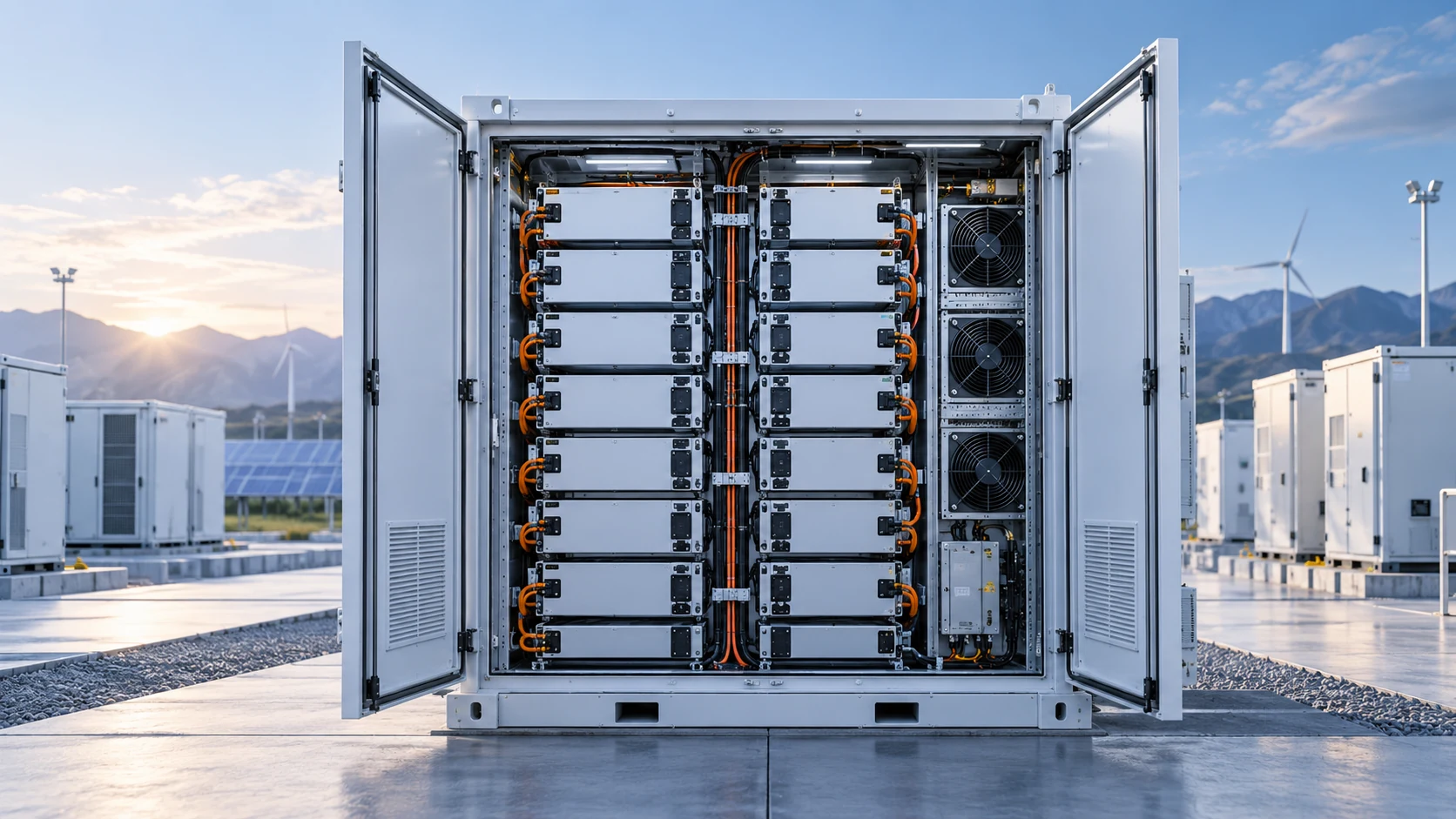
Battery cabinet airflow
Fan options for battery modules, BMS boards, and enclosure ventilation.
Airflow support for battery modules, BMS electronics, and energy cabinets
Understanding the specific thermal and environmental demands of Energy Storage and Battery Cabinet Cooling environments is the foundation of every Herays solution.
Battery energy storage systems (BESS) — from residential ESS units to grid-scale cabinet arrays — require precise thermal management to maintain cell performance, cycle life, and safety. Lithium-ion and LiFePO₄ cells perform optimally between 20°C and 40°C; exceeding this window accelerates degradation and, in lithium-ion systems, creates the conditions for thermal runaway. The cooling fan is the first line of defense in maintaining that window.
Battery cabinet cooling has requirements that do not arise in conventional electronics thermal management:
Herays industrial DC axial fans cover the airflow range needed for residential, commercial, and utility-scale battery cabinets, with voltage options matching standard BESS bus voltages.
For anti-static requirements, contact Herays directly — we supply carbon-black-filled fan variants for sensitive environments. Tachometer output is standard on −SF connector models across the HR1225 and HR1238 series.
Why does battery temperature management matter more than in standard electronics enclosures? In conventional electronics, elevated temperature primarily affects component lifetime. In lithium-ion batteries, sustained high temperature (above 40–45°C) raises the probability of thermal runaway in compromised cells — the consequences of a cooling failure are therefore more severe than in most other electronic equipment.
Should the fan run continuously or temperature-triggered? Threshold-based control (fan on at 30°C, off at 25°C) is effective for residential installations. For commercial BESS with continuous charge/discharge cycling, PWM-controlled low-speed operation during active use typically provides more stable cell temperature uniformity than on/off cycling.
Contact Herays to discuss OEM fan sourcing for battery storage applications, including anti-static materials, tachometer output, and extended temperature ratings.
Precision-engineered DC fan technologies tailored to the performance and reliability requirements of Energy Storage and Battery Cabinet Cooling applications.
Fan options for battery modules, BMS boards, and enclosure ventilation.
IP-rated options for dust, humidity, and cabinet environments.
Efficient DC airflow for energy equipment and distributed installations.
Herays DC fan and blower products engineered to meet the performance requirements of Energy Storage and Battery Cabinet Cooling systems.
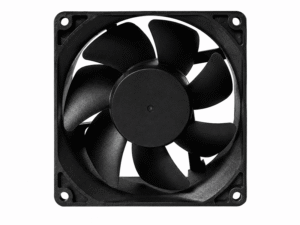 DC Axial Fan
DC Axial Fan
DC Axial Fan
DC Axial Fan
DC Axial Fan
DC Axial Fan
DC Axial Fan
DC Axial Fan
DC Axial Fan
DC Axial Fan
DC Axial Fan
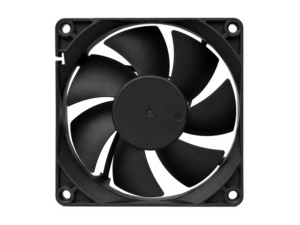 DC Axial Fan
DC Axial Fan
DC Axial Fan
Our application engineers are available to help you select the right product for your system requirements.