
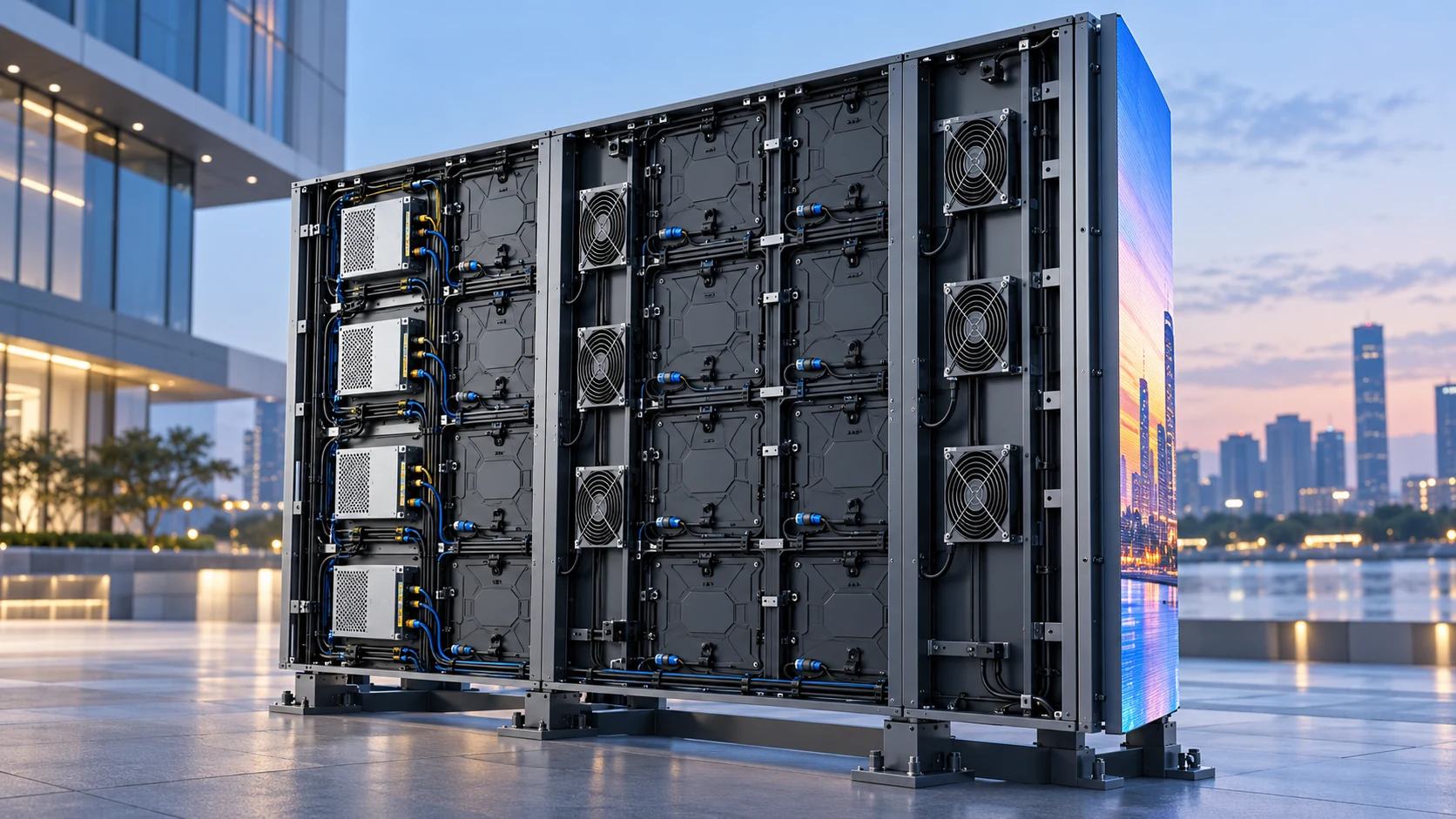
Display cabinet airflow
Cooling for LED modules, power supplies, and control boards.
Cooling airflow for LED modules, power supplies, and display cabinets
Understanding the specific thermal and environmental demands of LED Display and Signage Cooling environments is the foundation of every Herays solution.
LED display systems — indoor fine-pitch panels, outdoor advertising boards, stadium scoreboards, and retail digital signage — generate significant heat from two distinct sources: the LED modules themselves and the switching power supplies that drive them. The power supply is typically the component most sensitive to temperature; LED driver ICs and electrolytic capacitors degrade rapidly above 60°C, shortening display life from years to months in poorly ventilated enclosures. Effective cooling extends service life and protects the significant capital investment in LED display infrastructure.
Cooling requirements for LED display and signage installations:
Herays DC axial fans in 120 mm format are used in LED display power supply modules, control board compartments, and cabinet exhaust positions across both indoor and outdoor LED signage systems.
For outdoor applications requiring IP65 protection, contact Herays to discuss sealed fan variants with gasket-sealed motor housings. UV-stabilized housing materials are available for long-term outdoor exposure.
Why does the power supply fail before the LEDs in a display system? LED chips are solid-state with lifetimes measured in tens of thousands of hours. The electrolytic capacitors and driver ICs in the switching power supply degrade much faster at high temperature — every 10°C above rated temperature roughly halves capacitor life. Keeping the power supply below 50°C is the single most effective measure for extending total display system life.
What airflow arrangement works best for an LED display cabinet? Force air from the bottom of the cabinet upward, exhausting through the top. This aligns with natural convection, minimizes pressure drop, and keeps the coolest incoming air in contact with the power supplies at the bottom of the cabinet. Avoid drawing ambient air across the LED panel face — this creates a negative pressure zone that pulls in dust and moisture through panel gaps.
Can a PWM-controlled fan reduce display noise in indoor signage? Yes. PWM control allows the fan to run at minimum speed (typically 30–40% of rated speed) during low-ambient-temperature conditions or partial LED load, reducing noise by 6–10 dBA compared to full-speed operation. For installations where noise is a primary concern, specify PWM-compatible fans with a low minimum speed rating.
Contact Herays for fan selection support for LED display enclosures, including IP-rated options, custom cable lengths, and OEM volume pricing for display manufacturing programs.
Precision-engineered DC fan technologies tailored to the performance and reliability requirements of LED Display and Signage Cooling applications.
Cooling for LED modules, power supplies, and control boards.
Compact frame sizes for thin signage and display enclosures.
Protection options for dust, humidity, and public installation sites.
Herays DC fan and blower products engineered to meet the performance requirements of LED Display and Signage Cooling systems.
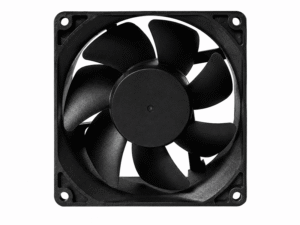 DC Axial Fan
DC Axial Fan
DC Axial Fan
DC Axial Fan
DC Axial Fan
DC Axial Fan
DC Axial Fan
DC Axial Fan
DC Axial Fan
DC Axial Fan
DC Axial Fan
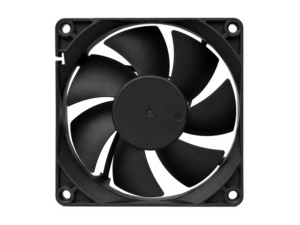 DC Axial Fan
DC Axial Fan
DC Axial Fan
Our application engineers are available to help you select the right product for your system requirements.