
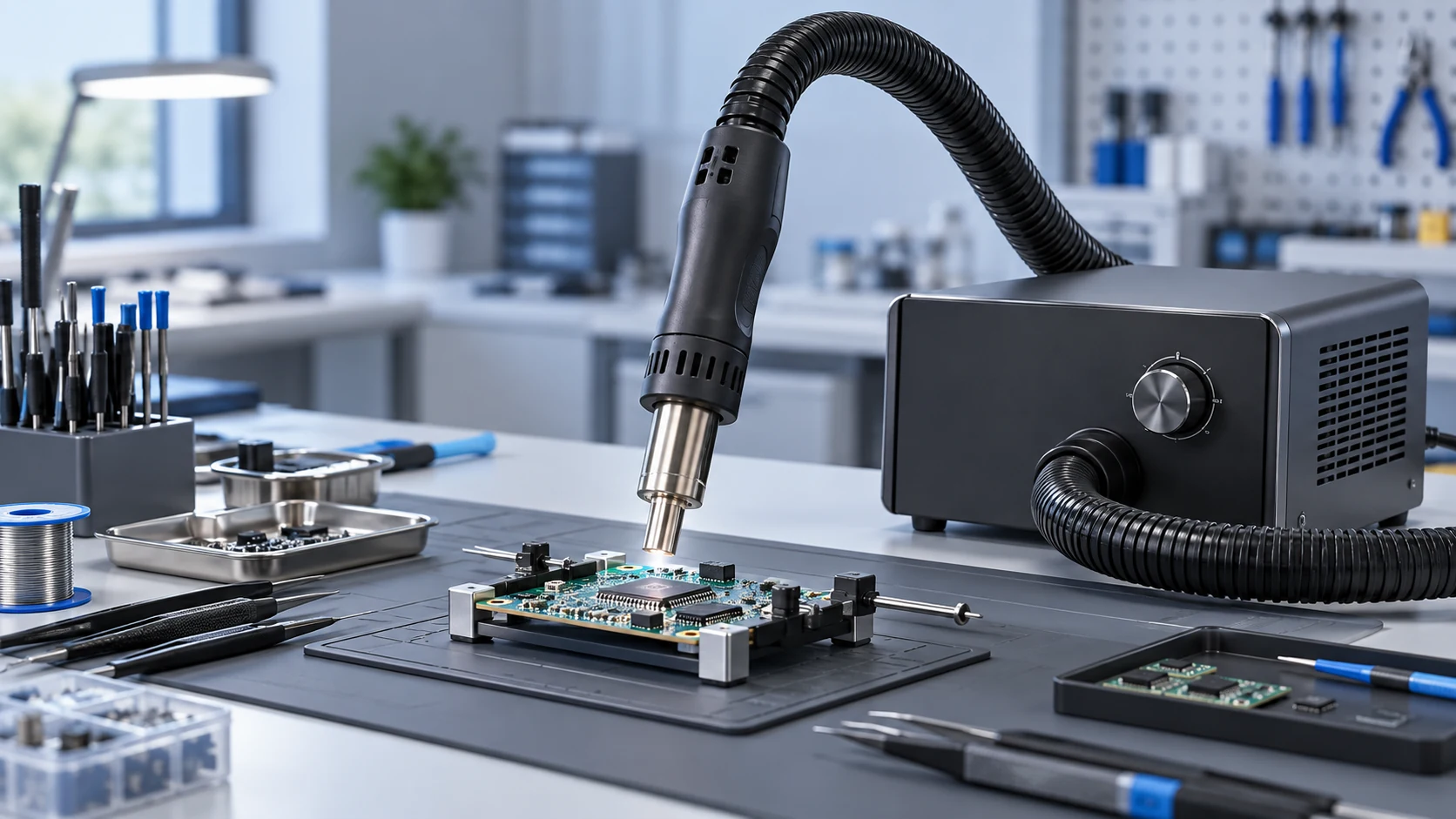
Focused nozzle airflow
Blower output suitable for heater channels and compact air paths.
Focused airflow for soldering, rework, and electronics repair tools
Understanding the specific thermal and environmental demands of Rework and Desoldering Station Blower environments is the foundation of every Herays solution.
Hot air rework stations, SMD desoldering tools, and PCB reflow rework systems rely on compact centrifugal blowers to force precisely controlled airflow through a resistance heating element and out a nozzle directed at solder joints. The blower is the heart of these tools: too little flow and the heating element overheats; too much flow and heat is carried away before the solder reaches reflow temperature; unstable flow and the thermal profile becomes unpredictable, leading to cold joints, tombstoning, or component damage. Unlike general electronics cooling where “more airflow is better,” rework station blowers operate at tightly specified points on their pressure-flow curve.
Herays supplies compact centrifugal BLDC blowers for hot air rework station and desoldering tool applications, rated for continuous operation at elevated air intake temperatures with precise PWM speed control.
Key specifications for rework station blower evaluation:
Contact Herays with your nozzle back-pressure curve, required flow range, and tool dimensions for specific model recommendations and engineering samples.
Why does an axial fan fail in a hot air rework station while a centrifugal blower works? Axial fans generate pressure by accelerating air in the axial direction; their pressure-flow curves drop steeply as back-pressure increases, and they stall completely above their rated static pressure. Hot air nozzles — particularly fine-pitch nozzles for QFP and BGA work — impose 5–20 mmH₂O of restriction. Centrifugal blowers generate pressure radially and maintain stable airflow against much higher restriction without stalling, which is why they are universally used in hot air tools rather than axial fans.
How does air temperature affect blower performance in a rework station? Hot air passing through the blower motor compartment (intake path) reduces air density, which reduces mass flow rate at a given volumetric flow rate. At 80°C intake temperature, air density is approximately 80% of ambient, meaning the blower delivers 20% less mass flow than its cold-air specification. Heater setpoint calibration must account for this density reduction to achieve accurate reflow temperature profiles.
What causes a rework station blower to fail prematurely? The two most common causes are bearing degradation from continuous high-temperature operation (lubricant evaporation at elevated bearing temperatures) and motor winding insulation failure from sustained exposure to air temperatures above the motor’s rated limit. Specify blowers rated for your maximum operating temperature with rated bearing life referenced at that temperature, not at 25°C.
Contact Herays for rework station blower engineering samples, custom specifications, and OEM supply for hot air tool manufacturing.
Precision-engineered DC fan technologies tailored to the performance and reliability requirements of Rework and Desoldering Station Blower applications.
Blower output suitable for heater channels and compact air paths.
Small blower options for stations, handpieces, and repair equipment.
Wire, connector, voltage, label, and batch supply customization.
Herays DC fan and blower products engineered to meet the performance requirements of Rework and Desoldering Station Blower systems.
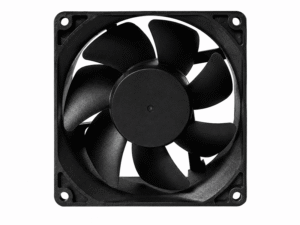 DC Axial Fan
DC Axial Fan
DC Axial Fan
DC Axial Fan
DC Axial Fan
DC Axial Fan
DC Axial Fan
DC Axial Fan
DC Axial Fan
DC Axial Fan
DC Axial Fan
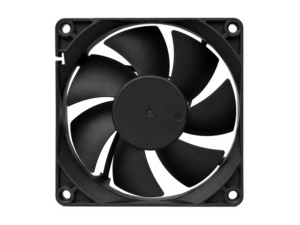 DC Axial Fan
DC Axial Fan
DC Axial Fan
Our application engineers are available to help you select the right product for your system requirements.