
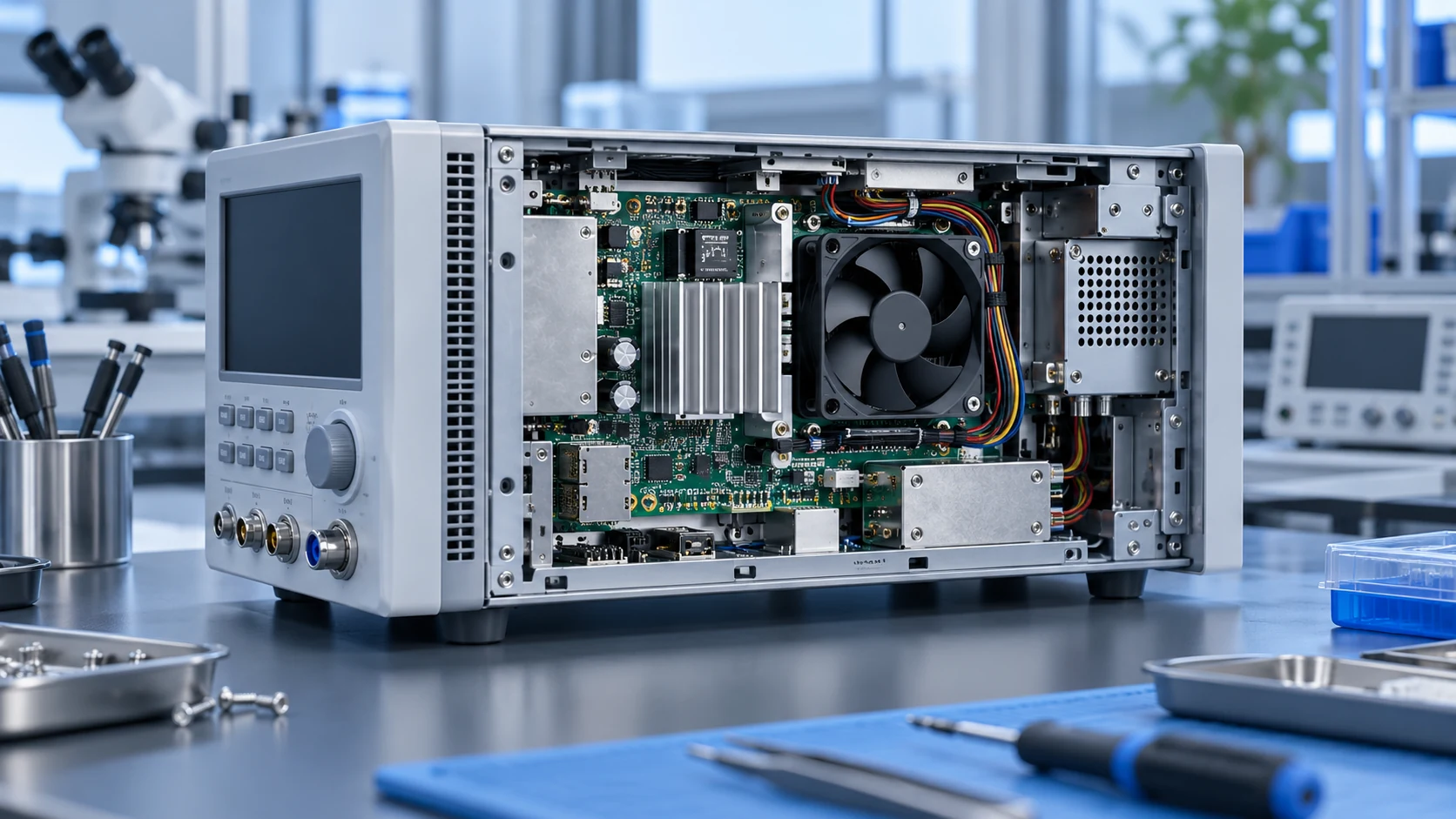
Instrument cooling
Airflow for analyzers, test equipment, and measurement electronics.
Low-noise cooling for precision instruments and electronics modules
Understanding the specific thermal and environmental demands of Test Instrument and Laboratory Equipment Cooling environments is the foundation of every Herays solution.
Test and measurement instruments — oscilloscopes, spectrum analyzers, signal generators, power analyzers, environmental test chambers, and laboratory power supplies — impose the most demanding combination of electrical cleanliness and acoustic performance on their cooling systems of any electronics category. A 1 GHz oscilloscope draws accurate measurements at femtovolt sensitivity; a fan running in the same chassis cannot be allowed to inject switching noise into the measurement circuits. A bench instrument in a metrology laboratory must be inaudible to the technician seated two feet away. These requirements narrow the acceptable fan specification significantly.
Cooling requirements for test instrument and laboratory equipment applications:
Herays DC axial fans with ball-bearing construction and low-noise blade profiles are suitable for test instrument and laboratory equipment cooling where acoustic performance and electrical cleanliness are critical.
For applications requiring PWM speed control with minimum speed ratings below 30% (important for low-noise instrument operation at partial load), or for applications requiring tachometer output for instrument-controlled airflow regulation, specify the −SF variants. Contact Herays for low-noise blade variants and rotor balance specifications for vibration-sensitive applications.
How do I prevent fan noise from interfering with RF measurements in a spectrum analyzer? Address both conducted and radiated paths. For conducted: add a ferrite common-mode choke and 100 nF bypass capacitors on the fan power leads at the motor terminals. For radiated: keep the fan at maximum physical distance from the RF front end, and use a conductive fan guard that is chassis-grounded to provide EMI shielding across the fan opening.
What is the best way to reduce fan noise in a bench power supply without sacrificing thermal safety? Use a thermistor-based analog speed controller that ramps fan speed continuously with load rather than switching between fixed speeds. This eliminates the noise step that occurs when a fan switches from low speed to high speed at a load threshold. The fan runs at minimum audible speed during light load and ramps up smoothly as load increases. Ball bearings are mandatory — the characteristic low-frequency rumble of sleeve bearings in quiet environments is worse than blade-passing frequency noise at most speeds.
How do I specify a fan for a particle counter where airflow accuracy is part of the measurement? The fan must maintain its specified flow rate (±2–5% depending on instrument accuracy class) across the full operating temperature range without active flow control compensation. This requires a fan with a flat pressure-flow curve in the operating region, a stable motor speed controller with ±1% speed accuracy, and a tachometer output for closed-loop verification. Centrifugal blowers are commonly used in particle counters rather than axial fans because their pressure-flow characteristic is more predictable under filter back-pressure variation.
Contact Herays to discuss fan specifications for test instrument and laboratory equipment applications, including low-noise variants, rotor balance data, and EMI characterization documentation.
Precision-engineered DC fan technologies tailored to the performance and reliability requirements of Test Instrument and Laboratory Equipment Cooling applications.
Airflow for analyzers, test equipment, and measurement electronics.
Fan selections for lab, office, and user-facing devices.
Small fan formats for dense instrument layouts.
Herays DC fan and blower products engineered to meet the performance requirements of Test Instrument and Laboratory Equipment Cooling systems.
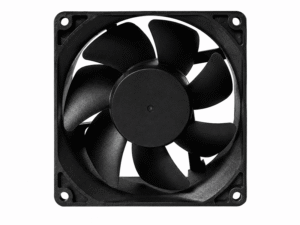 DC Axial Fan
DC Axial Fan
DC Axial Fan
DC Axial Fan
DC Axial Fan
DC Axial Fan
DC Axial Fan
DC Axial Fan
DC Axial Fan
DC Axial Fan
DC Axial Fan
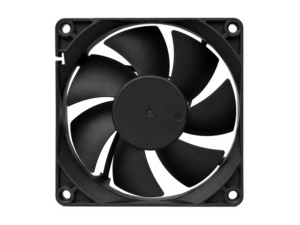 DC Axial Fan
DC Axial Fan
DC Axial Fan
Our application engineers are available to help you select the right product for your system requirements.