A security camera baking in direct summer sun doesn't just get uncomfortably warm -- its image sensor and processing electronics can throttle, distort footage quality, or shut down entirely, precisely when reliable footage matters most.
Outdoor security cameras and surveillance equipment rely on small cooling fans to manage heat buildup inside sealed, weather-resistant camera housings, requiring IP66 or IP67-rated sealing to maintain the housing's environmental protection, validated performance across genuinely wide outdoor temperature ranges, and low noise for cameras operating in close proximity to people indoors.
- Outdoor camera housings need to be sealed against weather, creating a genuine tension with the ventilation active cooling normally requires.
- IP66 and IP67-rated fan options exist specifically to resolve this tension, maintaining housing sealing while still enabling active airflow.
- Outdoor surveillance equipment faces genuinely wide seasonal and geographic temperature ranges compared to typical indoor electronics.
- Indoor PTZ (pan-tilt-zoom) cameras have different, often stricter noise requirements given close proximity to people in offices, retail spaces, or homes.
- Fan integration in camera enclosure design must be planned alongside the housing's sealing and optical design, not treated as an independent afterthought.
Understanding why outdoor camera cooling creates this specific tension between sealing and airflow clarifies what actually matters in fan selection for this category.
Table of Contents
Why Do Outdoor IP Cameras Actually Face a Genuine Cooling Challenge Despite Their Small Size?
Understanding why even compact camera housings need serious thermal engineering attention.
Outdoor cameras combine image sensors, processing electronics, and often infrared illuminators or heating elements (for cold-weather operation) within a compact, sealed housing exposed to direct sun and wide ambient temperature swings -- this combination creates meaningful heat buildup risk despite the camera's modest overall size and power consumption.
Why Direct Sun Exposure Compounds the Compact Housing's Inherent Heat Challenge
A camera housing exposed to direct summer sun can experience internal temperatures significantly exceeding the surrounding ambient air temperature due to solar heat gain on the housing's exterior surfaces, and this solar heating effect compounds with the camera's own internal electronics heat generation within an already compact, limited-airflow enclosure. This is why outdoor camera thermal design needs to account for solar heat gain specifically, not just the surrounding ambient temperature, when evaluating cooling requirements.
Why Does Sealing a Camera Housing Create a Genuine Tension With Active Cooling Needs?
Understanding the fundamental design conflict this application has to resolve.
A camera housing needs to be sealed against rain, dust, and moisture intrusion to protect the sensitive optics and electronics inside, but active cooling traditionally relies on airflow moving between the housing interior and exterior -- creating a genuine design tension between environmental sealing and the ventilation active cooling conventionally requires.
Why This Tension Specifically Distinguishes Camera Cooling From Many Other Sealed-Enclosure Applications
Many sealed outdoor enclosures address this same general tension, but camera housings face a particularly acute version given their compact size, the sensitivity of internal optical and imaging components to both heat and dust/moisture contamination, and the aesthetic and functional constraints of camera housing design that limit how much additional bulk can be added purely to solve this cooling-versus-sealing conflict. This is why camera-specific fan solutions -- specifically designed and rated for this application rather than adapted from general sealed-enclosure cooling approaches -- have become a distinct product category.
How Do IP66 and IP67-Rated Fan Options Actually Resolve This Sealing-Versus-Airflow Conflict?
Understanding the specific engineering approach that makes active cooling compatible with housing sealing requirements.
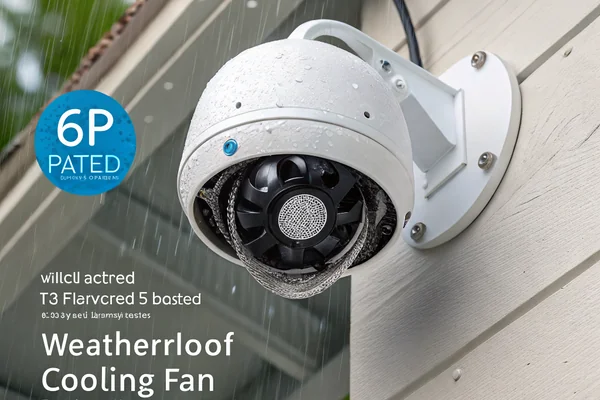
IP66 and IP67-rated fans are specifically designed and sealed to maintain their rated environmental protection while still enabling airflow, typically through specialized sealing designs, membrane vents, or enclosed circulation approaches that manage heat without creating a direct open pathway for water or dust intrusion into the camera housing.
Why These Specialized Sealing Approaches Represent Genuine Engineering Solutions, Not Simple Compromises
Achieving genuine airflow-based cooling while maintaining IP66 or IP67 sealing integrity requires specific engineering approaches -- such as internal circulation designs that move air within a sealed compartment, or specialized vented membranes that allow limited air exchange while blocking water and dust -- rather than simply using a lower-grade seal and accepting reduced environmental protection as a cooling tradeoff. This is why camera manufacturers specifically source fans validated for this sealed-but-actively-cooled application, rather than adapting a general open-airflow fan design and compromising the housing's environmental rating.
Why Does Outdoor Surveillance Equipment Need Such a Wide Validated Temperature Range?
Understanding the deployment diversity that drives this specification requirement for outdoor cameras specifically.
Outdoor security cameras are deployed across genuinely varied geographic climates and must perform reliably across the full range of seasonal temperature extremes at their specific installation location, from summer heat with direct sun exposure to winter cold, making a genuinely wide validated operating temperature range a practical necessity for this product category.
Why Camera Manufacturers Often Specify Against Worst-Case Combined Conditions, Not Average Conditions
A camera product line often needs to perform reliably not just across typical seasonal temperatures but specifically at the combination of extreme conditions least favorable to the equipment -- maximum summer heat combined with direct sun exposure for cooling capacity, and minimum winter cold combined with potential ice or snow accumulation for cold-weather operation -- making worst-case combined condition validation more relevant than average condition performance for this application. This is why outdoor camera fan and broader thermal system validation typically targets these combined extreme scenarios specifically, rather than more moderate average operating conditions.
How Do Noise Requirements Actually Differ Between Outdoor Cameras and Indoor PTZ Cameras?
Understanding why this category isn't uniform in its acoustic requirements across different deployment contexts.
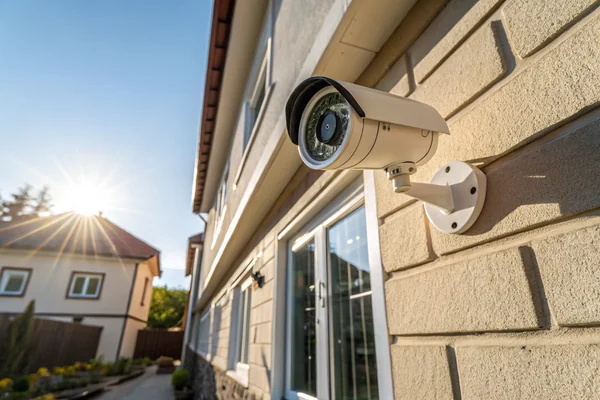
Indoor PTZ (pan-tilt-zoom) cameras, often installed in offices, retail spaces, or residential settings where people are in close proximity, generally have stricter noise requirements than outdoor cameras mounted at a distance from building exteriors, where ambient outdoor noise and mounting distance from occupied spaces reduce the practical impact of fan noise.
Why Indoor Camera Placement Context Elevates Noise From a Minor Factor to a Genuine Requirement
An outdoor camera mounted on a building exterior, often at some height and distance from occupied indoor spaces, generates fan noise that's rarely noticed given ambient outdoor conditions and physical separation from people, while an indoor PTZ camera operating within the same room as building occupants creates a much more direct noise exposure that manufacturers need to specifically address through quieter fan selection. This is why noise specifications for camera cooling fans genuinely differ by deployment context, rather than applying uniformly across the entire surveillance camera product category.
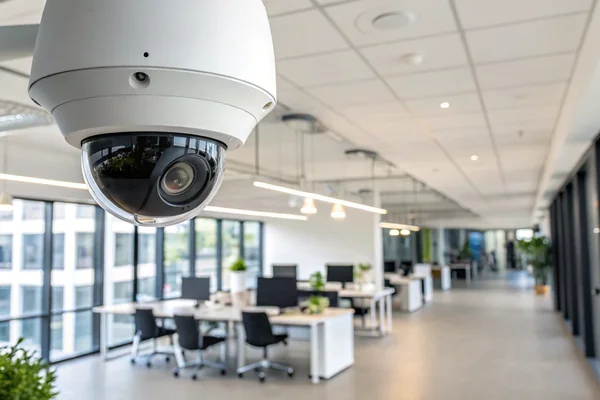
What Should Camera and Surveillance Equipment Manufacturers Actually Prioritize When Sourcing Cooling Fans?
Bringing these combined requirements together into practical sourcing guidance.
Prioritize fans specifically validated for IP66/IP67 sealed-housing compatibility for outdoor applications, wide temperature range performance covering your product's actual worst-case combined deployment conditions, and noise specifications appropriately matched to whether the specific camera model targets outdoor or close-proximity indoor deployment.
Why This Combination Reflects Surveillance Camera Cooling's Genuinely Distinct Requirements
Camera cooling sits at the intersection of genuine sealing-versus-airflow tension, wide combined-extreme temperature deployment, and deployment-context-dependent noise requirements -- evaluating candidate fans against these factors together, with attention to your specific product's actual deployment context (outdoor versus indoor, climate zone, proximity to occupants), produces components genuinely suited to this category's real-world demands.
Our DC fan lineup includes compact, sealed models suited to camera and surveillance enclosure applications, manufactured at our Dongguan facility under ISO 9001 certification. With over 20 years of production experience, we help camera and surveillance equipment manufacturers match fan sealing rating, temperature range, and noise specifications to their specific product's deployment context.
Does Continuous 24/7 Camera Operation Actually Change Fan Reliability Expectations for This Category?
Security cameras share a duty cycle characteristic worth considering alongside their sealing and temperature requirements.
Security cameras typically operate continuously around the clock for the entire deployment period, meaning their cooling fans accumulate substantially more operating hours per year than many consumer electronics, making continuous-duty reliability validation a genuinely relevant consideration alongside the sealing and temperature range requirements already discussed.
Why Continuous Surveillance Operation Compounds With Environmental Extremes
A camera fan doesn't get the periodic rest that intermittently-used equipment provides, meaning it experiences its worst-case summer heat and winter cold conditions during genuinely continuous operation rather than occasional use, compounding the environmental extreme requirements with a sustained-duty reliability expectation that intermittently-used equipment doesn't face to the same degree. This is why camera cooling fan specifications should be evaluated against realistic continuous-duty operating hour projections specific to 24/7 surveillance use, not just peak thermal performance in isolation.
FAQ
Do all outdoor security cameras actually include active cooling fans?
Not universally -- lower-power cameras with adequate passive heat dissipation through the housing design sometimes don't require active fans, while cameras with more powerful processing, infrared illuminators, or heating elements more commonly include active cooling.
Can a fan actually maintain IP67 sealing indefinitely, or does this degrade over time?
Sealed fan components can degrade over their service life like any mechanical component, making periodic inspection and manufacturer-specified service intervals relevant for maintaining the housing's environmental protection over the camera's full deployment life.
Does camera cooling fan noise actually matter for outdoor cameras at all, or is it purely an indoor concern?
It matters less for typical outdoor deployment given distance and ambient noise, but isn't entirely irrelevant -- outdoor cameras mounted closer to occupied outdoor spaces (like a covered patio) may still warrant some noise consideration.
How does cold-weather heating interact with cooling fan requirements in outdoor cameras?
Some outdoor cameras include heating elements for cold-weather lens defogging or component protection, meaning the thermal management system in these products manages both heating and cooling needs, adding complexity beyond pure heat rejection alone.
Is fan-based active cooling ever replaced entirely by passive heat sink design in this category?
For lower-power camera designs, passive heat dissipation through a well-designed metal housing acting as a heat sink can sometimes be sufficient, though higher-power or more compact designs often still benefit from active airflow assistance.
Do indoor and outdoor camera models from the same manufacturer typically use different fan specifications?
Often yes, reflecting the genuinely different sealing, temperature range, and noise requirements between indoor and outdoor deployment contexts discussed here, rather than using identical cooling specifications across both product lines.
Cooling outdoor and indoor surveillance cameras reliably comes down to resolving the sealing-versus-airflow tension while matching temperature range and noise specifications to actual deployment context. At Herays, our Dongguan facility manufactures compact, sealed DC fans suited to camera enclosure applications, backed by over 20 years of production experience under ISO 9001 certification. If you're sourcing cooling components for surveillance equipment, we're glad to help match specifications to your product's specific deployment requirements.

Liang
I've been working with DC fans for 30 years — long enough to have seen the industry evolve from basic sleeve bearing designs to today's high-efficiency, IP68-rated systems built for the harshest environments imaginable. I founded Herays because I believed manufacturers and engineers deserved a supplier who could talk technical from day one. Not just hand over a datasheet, but actually help you select the right fan for your thermal load, your enclosure, your certification requirements. Most of what I write here comes directly from problems I've solved on the factory floor or in customer applications — medical devices, laser equipment, industrial automation, you name it. If it involves moving air efficiently and reliably, I've probably spent time thinking about it. When I'm not obsessing over airflow curves, I'm usually helping a customer figure out why their cooling system isn't performing the way their simulation said it would.
View all posts by Liang