

The manufacturing capability is real and the cost advantage is real, but so are the sourcing mistakes that catch first-time buyers -- and nearly all of them are avoidable with the right due diligence process.
Sourcing DC fans from China successfully means evaluating manufacturers on verifiable factory capability rather than trading company claims, sampling and testing products before committing to volume orders, and understanding the specific pitfalls -- quality drift, IP exposure, and communication gaps -- that catch unprepared first-time buyers.
- China's dominance in DC fan manufacturing comes from decades of accumulated supply chain infrastructure, component sourcing networks, and manufacturing expertise concentrated in specific regions.
- Key manufacturing regions like Shenzhen and Dongguan offer different advantages -- proximity to component suppliers, established export logistics, and deep manufacturing subcontractor networks.
- Evaluating a manufacturer requires distinguishing between an actual factory and a trading company reselling another factory's output, which affects quality control, pricing, and communication directly.
- Sampling and testing before a mass order is the single most effective risk-reduction step, revealing quality issues a factory audit or sales conversation alone might miss.
- Common pitfalls include underestimating total landed cost, inadequate quality specification documentation, and insufficient IP protection before sharing proprietary designs.
Understanding both the real capability China's manufacturing base offers and the specific risks that catch unprepared buyers is what separates a successful sourcing relationship from a costly mistake.
Table of Contents
Why Do Chinese Manufacturers Dominate the DC Fan Market?
Understanding the underlying reasons helps set realistic expectations for what the market can and can't offer.
China's dominance in DC fan manufacturing reflects decades of accumulated infrastructure -- dense component supplier networks, specialized manufacturing subcontractor ecosystems, established export logistics, and a large pool of experienced production and quality engineering talent concentrated in specific manufacturing regions -- advantages that are difficult for manufacturing bases elsewhere to replicate quickly.
Why This Concentration Effect Compounds Over Time
When component suppliers, tooling shops, testing labs, and assembly factories all cluster within the same regions, each business benefits from proximity to the others, creating a self-reinforcing manufacturing ecosystem that's genuinely difficult to replicate elsewhere without the same accumulated infrastructure. This is why fan manufacturing capability in China isn't just about labor cost -- it reflects a mature, interconnected supply chain that took decades to develop, which matters for buyers evaluating manufacturing bases in other regions as alternatives.
What Do the Key Manufacturing Regions Actually Offer Buyers?
Different regions within China's manufacturing base offer somewhat different practical advantages worth understanding.
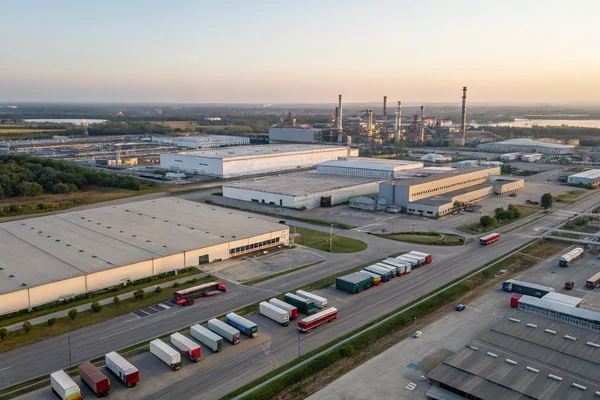
Shenzhen offers proximity to electronics component suppliers and strong logistics infrastructure for export, while Dongguan and the broader Pearl River Delta region host extensive manufacturing subcontractor networks and accumulated production expertise specifically in electronics and precision manufacturing -- both regions are common bases for DC fan manufacturers, often with overlapping supplier relationships between them.
Why Regional Context Matters for Buyer Due Diligence
Understanding which region a prospective manufacturer operates in provides useful context about their likely supplier network and logistics options, though it shouldn't substitute for evaluating the specific factory's own capabilities directly. A manufacturer's regional location is a starting data point for due diligence, not a guarantee of quality or reliability on its own -- the actual factory audit and sample evaluation matter more than regional reputation alone.
How Do You Actually Evaluate a Chinese Fan Manufacturer Before Committing?
Distinguishing genuine manufacturing capability from a trading company's claims is the foundational due diligence step.
Evaluate a prospective manufacturer by confirming whether they're an actual factory or a trading company reselling another factory's product, requesting evidence of relevant certifications with verifiable file numbers, asking about in-house testing equipment and quality control processes, and if possible, arranging a factory visit or third-party audit before committing to volume orders.
Why Distinguishing Factory From Trading Company Matters Directly
A trading company can offer competitive pricing and convenient English-language communication, but they add a layer between you and actual production, meaning quality control issues, production schedule changes, or specification questions all pass through an intermediary rather than being addressed directly with the people actually making your product. This isn't automatically disqualifying -- some trading companies provide genuine value through their own quality oversight and relationships -- but knowing which type of business you're dealing with changes what questions matter and what risks to weigh.
Why Does Sampling and Testing Before a Mass Order Matter So Much?
This step catches issues that no amount of pre-order due diligence conversation reliably reveals.
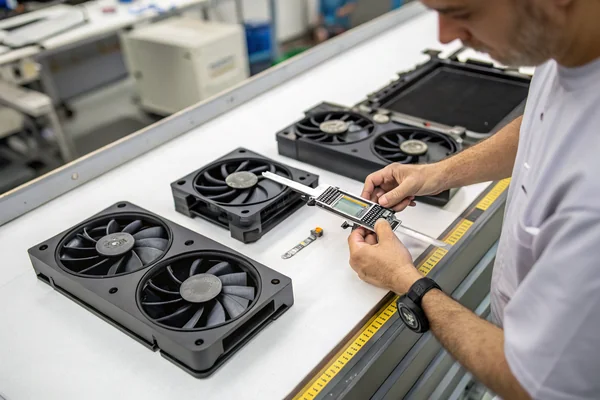
Requesting and thoroughly testing samples before committing to a mass order verifies actual product performance against your specification, reveals manufacturing consistency (by ordering multiple samples, not just one), and gives you real product in hand to test under your actual application conditions rather than relying solely on the manufacturer's own published performance data.
Why a Single Sample Isn't Enough to Judge Consistency
Testing only one sample can miss unit-to-unit manufacturing variance that becomes apparent only when comparing multiple units from the same claimed production batch -- ordering several samples and checking for consistency across them reveals whether the manufacturer's quality control genuinely produces uniform output or whether variance is a real concern worth addressing before a mass order. This extra step costs modest additional time and sample cost but meaningfully reduces the risk of discovering inconsistency only after receiving a full production order.
What Are the Most Common Pitfalls First-Time Buyers Run Into?
Recognizing these recurring mistakes in advance helps avoid repeating them.
Common pitfalls include underestimating total landed cost by focusing only on unit price (missing shipping, duties, and quality-control-related costs), providing inadequate written specification documentation that leaves room for misinterpretation, and sharing proprietary designs without adequate IP protection agreements in place before disclosure.
Why Specification Documentation Quality Directly Affects Order Outcomes
A vague specification -- relying on verbal discussion or an incomplete written document -- leaves room for a manufacturer to interpret ambiguous requirements in ways that technically satisfy the letter of the agreement while missing the buyer's actual intent, especially across language and cultural communication differences. Investing in a detailed, unambiguous written specification document upfront, covering dimensions, performance targets, materials, and acceptance criteria, is one of the most effective ways to prevent misaligned expectations from surfacing only after a mass order arrives.
We manufacture DC axial, case, and blower fans directly from our own facility in Dongguan -- not as a trading company -- with in-house CFM airflow, anechoic noise, and dynamic balance testing equipment we welcome customers to review directly. With over 20 years of production experience under ISO 9001 and IATF 16949 certification, we support sample evaluation and detailed specification documentation as standard parts of our sourcing process.
How Should You Structure Payment and Documentation to Protect Yourself?
Beyond product quality, the commercial and legal structure of a sourcing relationship deserves its own deliberate attention.
Structure new supplier relationships with staged payment terms tied to production milestones rather than full upfront payment, request detailed written quality specifications and acceptance criteria before production begins, and put appropriate NDA and IP protection agreements in place before sharing any proprietary design information.
Why Staged Payments and Written Agreements Reduce Risk on Both Sides
Full upfront payment concentrates risk entirely on the buyer if something goes wrong during production, while payment structures tied to verified milestones (deposit, pre-shipment inspection, final payment on delivery) distribute that risk more reasonably and give the buyer practical leverage if quality issues surface. This isn't about distrust of the specific supplier -- it's a standard risk management practice that experienced buyers use across new supplier relationships regardless of how promising the initial engagement looks.

FAQ
Is it safe to send proprietary fan designs to a Chinese manufacturer for a custom quote?
Only after appropriate NDA and IP protection agreements are in place, and even then, understanding the practical limits of IP enforcement across borders is worth factoring into how much proprietary detail you share before a committed relationship is established.
How long does a typical sampling and evaluation process take?
This varies by product complexity and manufacturer responsiveness, but budgeting several weeks for sample production, shipping, and thorough testing before committing to a mass order is a reasonable general expectation.
Should I always choose the lowest-priced quote among manufacturers?
Not without evaluating what's actually included in that price -- certification support, quality control processes, and sample availability all affect the real value of a quote beyond the headline unit price.
Is a factory visit necessary, or can third-party audits substitute?
Third-party audit services can provide meaningful verification if an in-person visit isn't practical, though a direct visit generally provides more comprehensive due diligence for significant volume commitments.
How do I verify a manufacturer's claimed certifications are real?
Request the specific certificate document and file number, then verify independently against the certifying body's own database where possible, rather than relying on a printed certificate image alone.
What's a reasonable minimum order quantity to expect from Chinese fan manufacturers?
This varies significantly by manufacturer and product customization level, ranging from relatively low MOQs for standard catalog products to higher MOQs for custom tooling -- worth clarifying directly during initial sourcing conversations for your specific requirement.
Sourcing DC fans from China successfully comes down to structured due diligence -- verifying actual manufacturing capability, testing real samples, and documenting specifications and agreements clearly -- rather than relying on sales claims alone. At Herays, our Dongguan facility manufactures directly with over 20 years of production experience under ISO 9001 and IATF 16949 certification, and we support the sampling and documentation process buyers need for confident sourcing decisions. If you're evaluating suppliers for a new sourcing relationship, we're glad to walk through our process directly.

Liang
I've been working with DC fans for 30 years — long enough to have seen the industry evolve from basic sleeve bearing designs to today's high-efficiency, IP68-rated systems built for the harshest environments imaginable. I founded Herays because I believed manufacturers and engineers deserved a supplier who could talk technical from day one. Not just hand over a datasheet, but actually help you select the right fan for your thermal load, your enclosure, your certification requirements. Most of what I write here comes directly from problems I've solved on the factory floor or in customer applications — medical devices, laser equipment, industrial automation, you name it. If it involves moving air efficiently and reliably, I've probably spent time thinking about it. When I'm not obsessing over airflow curves, I'm usually helping a customer figure out why their cooling system isn't performing the way their simulation said it would.
View all posts by Liang

