Squeezing active thermal management into something worn on the body means solving a cooling problem at a scale most blower engineering was never originally designed for -- and it's a genuinely different set of constraints than shrinking a laptop blower further.
Miniature DC blowers for wearables and IoT devices need to deliver adequate airflow within extremely tight space and power budgets while staying quiet and low-vibration enough for body-worn comfort -- these combined constraints make wearable blower selection a more specialized sourcing problem than general small-blower applications.
- Wearable electronics face genuine thermal challenges despite their small size, since dense component packing in a tiny enclosure concentrates heat with limited surface area to dissipate it passively.
- Ultra-small blower options exist but come with real airflow and pressure tradeoffs compared to even the compact blowers used in laptops or 3D printer part cooling.
- Power consumption constraints are often the primary limiting factor in wearable blower selection, given battery-powered operation and the need to preserve device runtime.
- Noise and vibration matter differently in body-worn devices than in stationary equipment, since even minor vibration is directly perceptible when a device is in physical contact with skin.
- Sourcing miniature blowers for this application typically requires closer supplier collaboration than standard-size blower purchases, given how specialized the size and power requirements are.
Understanding why wearable thermal management is a genuinely different engineering problem than simply shrinking existing blower designs clarifies what actually matters when sourcing for this application.
Table of Contents
What Thermal Challenges Do Wearable Electronics Actually Face?
Small size doesn't mean small thermal problems -- it often means the opposite, given how little surface area is available to dissipate heat passively.
Wearable devices pack processors, sensors, batteries, and wireless radios into extremely compact enclosures, concentrating heat generation in a small volume with limited surface area for passive heat dissipation -- this can create genuine thermal management challenges despite the device's small overall power consumption compared to larger electronics.
Why Small Power Draw Doesn't Mean Small Thermal Problems
A wearable device might draw only a fraction of a watt compared to a laptop's tens of watts, but the ratio of heat generated to available dissipation surface area can still create a meaningful thermal challenge, particularly for devices in direct skin contact where user comfort adds a lower acceptable surface temperature threshold than general electronics would need to meet. This is why some wearable designs genuinely benefit from active airflow despite their modest absolute power consumption, rather than assuming passive cooling is automatically sufficient at this scale.
What Ultra-Small Blower Options Actually Exist for This Application?
Understanding the realistic size range available helps set expectations for what's achievable in a wearable form factor.
Miniature blowers for wearable and IoT applications can be engineered down to just a few millimeters in diameter and thickness, achieved through highly specialized impeller and motor miniaturization -- but these ultra-small designs come with real, physics-driven airflow and pressure tradeoffs compared to even the compact blowers used in laptops or 3D printer part cooling.
Why Miniaturization Has Real Performance Costs at This Scale
As blower size shrinks toward the extreme end of miniaturization, achievable airflow and pressure both decrease significantly, since there's simply less blade area and motor torque available at that scale -- this makes ultra-miniature blowers suitable only for applications with correspondingly modest cooling requirements, not a scaled-down version of laptop-class cooling performance. Understanding this tradeoff upfront prevents specifying an ultra-small blower for a thermal load that genuinely needs more airflow than physics allows at that size.
Why Does Power Consumption Constrain Wearable Blower Selection So Heavily?
Battery-powered operation makes power draw a primary selection criterion in a way it typically isn't for mains-powered blower applications.
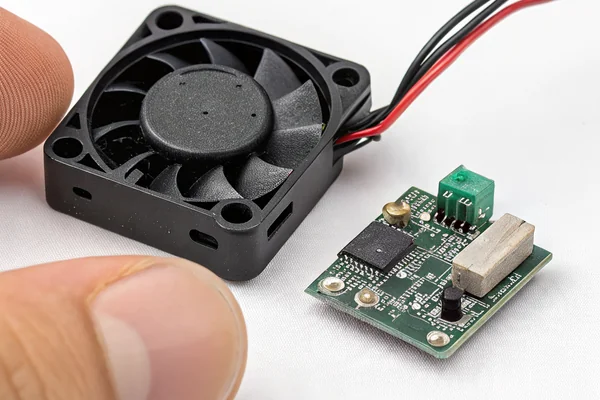
Wearable and IoT devices generally run on small batteries where every milliwatt of continuous power draw directly affects device runtime, making a blower's power consumption often the primary selection constraint -- sometimes more limiting than the physical size constraint itself, since even a physically fitting blower may draw too much power for acceptable battery life.
Why This Creates a Genuinely Different Optimization Problem
In most blower applications, power consumption is a secondary consideration behind performance and reliability, but in battery-powered wearables, minimizing power draw while still achieving adequate cooling becomes a primary design tension that often requires accepting reduced airflow performance in exchange for meaningfully extended battery life. This tradeoff is worth discussing explicitly with a blower supplier, since the "best performing" miniature blower option isn't necessarily the right choice if its power draw compromises the device's core battery life requirement.
How Do Noise and Vibration Considerations Differ for Body-Worn Devices?
Physical contact with the wearer creates a sensory pathway for vibration that stationary equipment doesn't have to address.
Because wearable devices maintain direct physical contact with skin, even minor blower vibration can be perceptible in a way that wouldn't register as noticeable in stationary equipment sitting on a desk or shelf -- this makes vibration isolation and extremely smooth, low-vibration blower operation a specific design priority beyond just acoustic noise reduction.
Why Vibration Perception Through Skin Contact Is a Distinct Design Problem
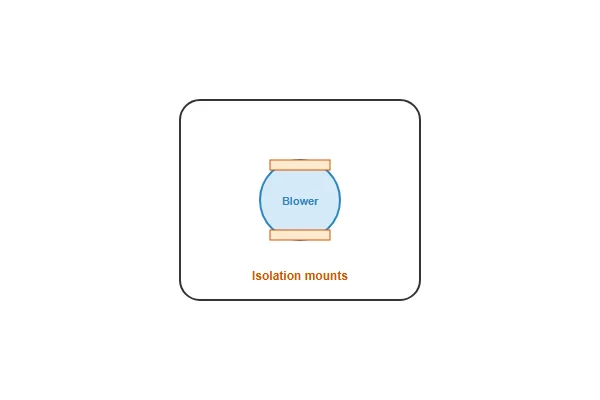
Airborne noise and physically transmitted vibration are perceived through different sensory pathways, and a blower that's acceptably quiet in terms of airborne sound can still transmit noticeable vibration directly through the device housing into skin contact, creating a distracting or uncomfortable sensation independent of how loud the device sounds. This is why wearable blower integration often requires specific vibration dampening or isolation mounting beyond what a noise-focused specification alone would address.
How Should You Approach Sourcing a Miniature Blower for a Wearable or IoT Product?
This application's specialized requirements generally benefit from closer, earlier supplier engagement than standard blower sourcing.
Source miniature blowers for wearable applications by sharing your exact size constraints, power budget, and acceptable noise/vibration thresholds with a supplier early in device development -- given how specialized this size and power range is, direct engineering collaboration typically produces a better-matched result than selecting from a general small-blower catalog.
Why This Application Rewards Early, Detailed Supplier Engagement More Than Most
Because ultra-miniature blower performance is so tightly constrained by physics at this scale, a supplier working from your device's complete thermal, power, and comfort requirements from early in development can help identify whether active cooling is genuinely achievable within your constraints, or whether the design needs to rely more heavily on passive thermal management or accept a different power/performance tradeoff. Discovering this late in development, after committing to a specific blower without this upfront engineering conversation, risks a costly redesign.
We manufacture compact DC brushless blower fans and can discuss miniaturization feasibility for wearable and IoT applications based on our production experience at our Dongguan facility. With over 20 years of experience under ISO 9001 certification and in-house testing equipment for airflow, noise, and vibration characterization, we're glad to evaluate your specific size, power, and comfort requirements directly.
What Testing Should Validate a Miniature Blower Before Integration Into a Wearable Product?
Beyond datasheet specs, physical validation in conditions representative of actual wearable use is worth building into the qualification process.
Before finalizing a miniature blower for a wearable product, validate actual power draw under your device's real operating profile, measure vibration transmission through a representative housing mockup with skin-contact simulation where possible, and confirm performance holds up under realistic environmental exposure (sweat, temperature variation) the device will actually encounter.
Why Datasheet Specs Alone Don't Capture Wearable-Specific Performance
A blower's published specs are typically measured under standard laboratory conditions that don't replicate the combination of skin contact, movement, and environmental exposure a wearable device actually experiences, meaning validation testing under representative real-use conditions reveals performance characteristics a datasheet comparison alone would miss. This extra validation step is particularly worth the investment given how specialized and difficult to reverse a wearable blower integration decision typically is once production tooling is committed.
FAQ
Is active cooling always necessary for wearable devices, or can passive cooling be sufficient?
Many wearables rely entirely on passive cooling successfully -- active blower cooling is only warranted when passive dissipation genuinely can't keep pace with the device's thermal load, which depends heavily on the specific component power density and enclosure design.
Do miniature wearable blowers use the same bearing types as larger blowers?
Similar bearing principles apply, though bearing miniaturization at this scale has its own specific engineering challenges affecting achievable lifespan, worth discussing directly with a supplier for your specific size requirement.
How much does a miniature blower typically add to a wearable device's overall power budget?
This varies significantly by specific blower size and speed, which is exactly why power consumption needs to be evaluated as a primary selection criterion rather than assumed to be negligible at this scale.
Can miniature blowers be turned on only when needed, rather than running continuously?
Yes, and this is a common power-saving strategy -- activating the blower only when temperature sensors indicate genuine need, rather than continuous operation, significantly reduces average power draw for applications where thermal load is intermittent rather than constant.
Do wearable blowers need different environmental sealing than general electronics blowers?
Often yes, given exposure to sweat, moisture, and varied environmental conditions during actual wearable use -- appropriate IP rating for the device's intended use case is worth specifying explicitly.
Is custom blower development typically required for wearable applications, or do standard miniature options work?
This depends on how unusual your specific size and power constraints are -- some applications can work with existing miniature catalog options, while others with particularly tight constraints may benefit from custom development.
Miniature blower selection for wearables and IoT devices involves genuinely different tradeoffs than general small-blower sourcing, centered on the tight interaction between size, power, and body-worn comfort. At Herays, our Dongguan facility manufactures compact DC brushless blowers and supports feasibility evaluation for space and power-constrained applications, backed by over 20 years of experience under ISO 9001 certification. If you're evaluating active cooling for a wearable or IoT product, we're glad to discuss what's achievable within your constraints.

Liang
I've been working with DC fans for 30 years — long enough to have seen the industry evolve from basic sleeve bearing designs to today's high-efficiency, IP68-rated systems built for the harshest environments imaginable. I founded Herays because I believed manufacturers and engineers deserved a supplier who could talk technical from day one. Not just hand over a datasheet, but actually help you select the right fan for your thermal load, your enclosure, your certification requirements. Most of what I write here comes directly from problems I've solved on the factory floor or in customer applications — medical devices, laser equipment, industrial automation, you name it. If it involves moving air efficiently and reliably, I've probably spent time thinking about it. When I'm not obsessing over airflow curves, I'm usually helping a customer figure out why their cooling system isn't performing the way their simulation said it would.
View all posts by Liang