

A single 200mm fan can move the same air as two smaller fans spinning much faster -- which is exactly why oversized fans have a dedicated following among builders chasing genuinely silent operation.
200mm case fans deliver meaningful airflow at very low RPM compared to smaller fans, making them one of the most effective single-component upgrades for a quiet build -- the tradeoff is limited case compatibility, since not every case has mounting points sized for a fan this large.
- 200mm fans can move comparable airflow to two 120mm fans while spinning at a meaningfully lower RPM, translating directly into lower noise for equivalent cooling.
- The noise advantage comes from basic fan physics -- larger blade area needs less rotational speed to displace the same air volume, and noise scales steeply with speed.
- Case compatibility is the main limiting factor, since 200mm mounting points are far less common than 120mm or 140mm across the case market.
- Brand and model availability at 200mm is narrower than smaller sizes, meaning fewer options to compare on bearing type, connector, and specific performance.
- Whether one 200mm fan beats two smaller fans depends on the specific comparison -- airflow pattern and case-specific mounting also matter, not RPM and noise alone.
Understanding why size specifically drives the noise advantage -- not just "bigger is better" -- clarifies when a 200mm fan is genuinely worth pursuing for your build.
Table of Contents
Why Are 200mm Fans Considered Special for Quiet Builds?
The physics behind large-fan quiet operation is straightforward once you understand what actually drives fan noise.
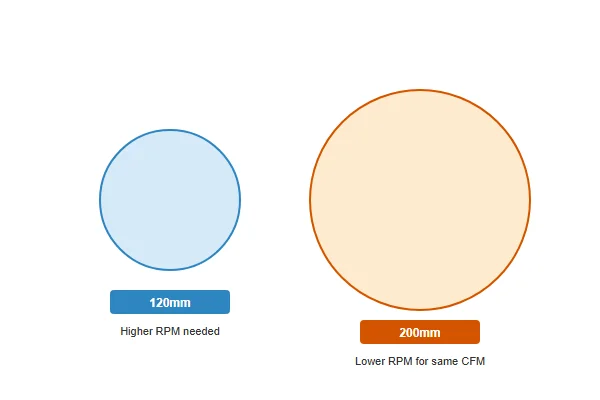
200mm fans are considered special because their large blade swept area lets them move substantial airflow at a much lower rotational speed than smaller fans achieving the same output -- and since fan noise scales steeply with rotational speed, this lower-RPM operation translates into a meaningfully quieter result for equivalent cooling performance.
Why Blade Area, Not Fan Count, Is the Real Driver
A fan's airflow output is a function of both blade area and rotational speed working together -- doubling blade area lets you achieve the same airflow at roughly half the RPM, and because noise increases disproportionately (roughly with the fifth power of blade tip speed) as speed rises, that RPM reduction produces an outsized noise benefit. This is the core physics that makes oversized fans attractive specifically for noise-sensitive builds, not just a marketing claim about "bigger is better."
How Does Airflow and Noise Actually Compare at Large Diameters?
Quantifying the actual advantage helps set realistic expectations for what a 200mm upgrade delivers.
A well-designed 200mm fan can often match or exceed the combined airflow of two 120mm fans while running at roughly half to two-thirds the RPM, translating into a noticeable, often several-decibel noise reduction for equivalent or better cooling -- though the exact numbers vary by specific fan models being compared.
Why Direct Model-to-Model Comparison Matters More Than the General Rule
The general physics favors larger fans, but actual performance still depends heavily on specific blade design, motor quality, and bearing type across the models being compared -- a poorly engineered 200mm fan can still underperform a well-engineered smaller fan. Checking independent test data comparing your specific candidate 200mm fan against the smaller fans it would replace, rather than assuming the general size advantage automatically applies, gives a more reliable picture of the actual benefit for your build.
| Comparison | Typical RPM Range | Relative Noise |
|---|---|---|
| Two 120mm fans (matched airflow) | 1000-1400 RPM | Baseline |
| One 200mm fan (matched airflow) | 500-800 RPM | Noticeably lower |
Which Cases Actually Support 200mm Fan Mounting?
Case compatibility is the practical constraint that determines whether this upgrade is even an option for your build.
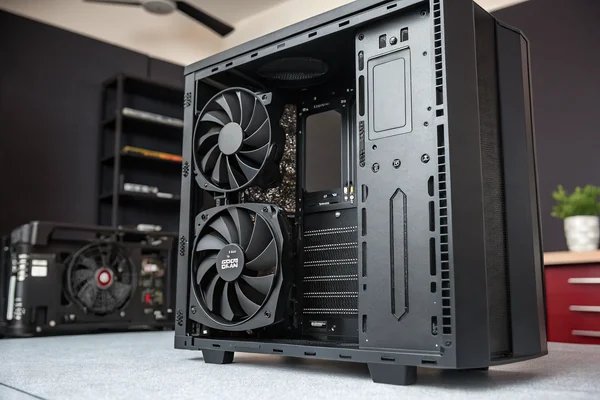
200mm fan mounting is far less universal than 120mm or 140mm across the case market -- typically limited to specific case models designed around large-fan front or side panel intake positions -- meaning case selection needs to account for 200mm compatibility from the start rather than assuming any case can accommodate one.
Why This Isn't a Universal Drop-In Upgrade
Unlike 120mm-to-140mm swaps, which many cases support interchangeably at the same mounting position, 200mm fans require mounting holes and physical clearance specifically designed around that larger size, which a meaningful share of cases simply don't include. Checking a case's specification sheet for explicit 200mm support -- not just assuming a "large fan compatible" case includes it -- is essential before planning a build around this upgrade path.
What Brand and Model Options Actually Exist at 200mm?
The market for 200mm fans is narrower than smaller sizes, which affects how much comparison shopping is realistically possible.
200mm fan availability is meaningfully narrower than 120mm or 140mm across brands, with fewer models offering the bearing type, connector, and performance variety available at more common sizes -- this narrower selection means less room to comparison-shop on specific features once you've committed to the 200mm path.
Why Narrower Selection Affects the Buying Decision
With fewer 200mm models available, finding one with your preferred bearing type, exact connector (PWM vs 3-pin), or specific aesthetic can be more limiting than at more common sizes where dozens of options exist across every price point. This is worth factoring into the size-versus-selection tradeoff -- a 200mm fan's noise advantage needs to be weighed against having fewer specific model options to choose from within that size category.
Is One 200mm Fan Actually Better Than Two Smaller Fans, or Does It Depend?
The comparison isn't purely about RPM and noise -- airflow pattern and mounting practicality matter too.
Whether one 200mm fan beats two 120mm or 140mm fans for a specific build depends on more than raw airflow and noise numbers -- airflow distribution pattern (a single large fan covers one area, while two smaller fans can be positioned at different intake points), redundancy (losing one of two fans is less impactful than losing your only fan), and case-specific mounting all factor into the practical comparison.
Why Airflow Distribution and Redundancy Deserve Real Consideration
A single 200mm fan concentrates its airflow at one case position, while two smaller fans at different mounting points can distribute intake across a wider area, which matters for cases with components spread across a larger footprint. Redundancy is also a genuine consideration -- a single-fan failure with only one 200mm intake means zero intake airflow until replaced, while a dual-fan setup retains partial airflow if one fan fails. These practical factors, not just the noise-per-decibel comparison, are worth weighing alongside the acoustic advantage.
Our PC case cooling fan line is engineered across common sizes with validated low-speed performance and stable bearing operation, tested on our in-house dynamic balance correction equipment at our Dongguan facility. With over 20 years of production experience under ISO 9001 certification, we can discuss large-diameter fan options and mounting compatibility for OEM and custom case designs.
What Should You Check Before Committing to a 200mm Fan Upgrade?
A few practical checks before purchase prevent the most common disappointments with this upgrade path.
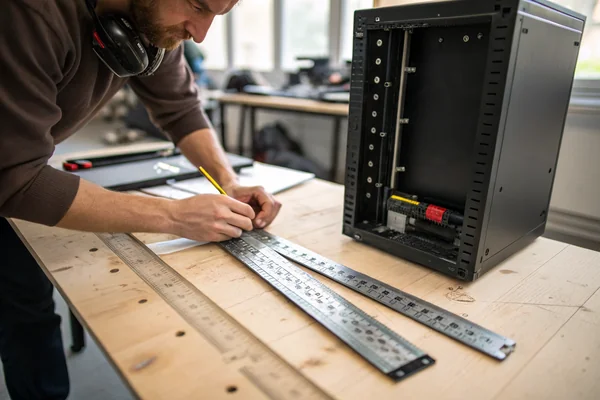
Before buying a 200mm fan, confirm your case's exact mounting specification (not just general "large fan support"), check the specific model's independent noise and airflow test data rather than relying on marketing claims, and consider whether your case's overall airflow design actually benefits from a single large intake versus distributed smaller fans.
Why Marketing Claims Need Independent Verification Here
Because 200mm fans are marketed heavily on their quiet-operation reputation, manufacturer noise claims for specific models deserve the same scrutiny as any other fan spec claim -- checking independent reviews that test the specific model at a defined airflow or RPM point gives a more reliable picture than trusting a general "ultra-quiet" marketing label. Confirming exact case compatibility with the specific fan's mounting pattern, rather than a general size category, avoids the most common purchase mistake with this upgrade.
FAQ
Do 200mm fans use the same connector types as smaller case fans?
Generally yes -- most 200mm case fans use standard 3-pin or 4-pin PWM connectors compatible with typical motherboard headers, though it's worth confirming for any specific model.
Is a 200mm fan louder than a 120mm fan at the same RPM?
Typically yes, since larger blades moving at the same rotational speed have higher blade tip speed -- the noise advantage of 200mm fans comes specifically from running at lower RPM for equivalent airflow, not from being quieter at matched RPM.
Can I mix a 200mm fan with smaller fans in the same case?
Yes, this is common -- many builds use a large 200mm intake alongside smaller 120mm or 140mm exhaust fans, since the sizes don't need to match as long as each position's mounting is compatible.
Are 200mm fans more expensive than equivalent smaller fan pairs?
This varies by specific models being compared, and narrower market selection at 200mm can affect pricing -- worth comparing actual unit costs for your specific candidates rather than assuming either approach is automatically cheaper.
Do 200mm fans require different power delivery than smaller fans?
Not fundamentally -- they still run on standard 12V fan power, though larger fans may draw somewhat more current at a given RPM, worth checking against your motherboard header's rated current capacity for high-power fans.
Is there a size beyond 200mm worth considering for extreme quiet builds?
Some niche cases and fans go beyond 200mm, but availability narrows further at those sizes, making 200mm a more practical upper limit for most builders balancing noise benefit against selection and case compatibility.
A 200mm fan can be one of the more effective single upgrades for a genuinely quiet build, provided your case supports the mounting and you weigh the tradeoffs against narrower model selection. At Herays, our Dongguan facility has engineered PC case cooling fans validated for stable low-speed performance for over 20 years under ISO 9001 certification. If you're specifying large-diameter fans for a custom case design, we're glad to talk through the options.

Liang
I've been working with DC fans for 30 years — long enough to have seen the industry evolve from basic sleeve bearing designs to today's high-efficiency, IP68-rated systems built for the harshest environments imaginable. I founded Herays because I believed manufacturers and engineers deserved a supplier who could talk technical from day one. Not just hand over a datasheet, but actually help you select the right fan for your thermal load, your enclosure, your certification requirements. Most of what I write here comes directly from problems I've solved on the factory floor or in customer applications — medical devices, laser equipment, industrial automation, you name it. If it involves moving air efficiently and reliably, I've probably spent time thinking about it. When I'm not obsessing over airflow curves, I'm usually helping a customer figure out why their cooling system isn't performing the way their simulation said it would.
View all posts by Liang

