

Drying and curing processes live or die on consistent, adequate heat transfer, and airflow is the delivery mechanism that makes or breaks that consistency across a batch.
DC blowers used in industrial drying and curing applications need to sustain continuous, moderate-to-high pressure airflow across long duty cycles, often at elevated ambient temperature near the heat source, requiring both thermal durability and stable long-term performance that general-purpose blowers aren't necessarily built to sustain.
- Drying and curing processes rely on airflow to carry heat to and moisture away from the target material, making blower performance directly tied to process quality and consistency.
- These applications typically demand higher-temperature-rated blowers than standard electronics cooling, since the blower often operates in or near the heated airflow path itself.
- Duty cycle matters as much here as in other continuous industrial applications -- drying and curing lines often run for extended, uninterrupted periods.
- Airflow volume and pressure need to balance against the specific material and process -- too little airflow slows the process, too much can cause uneven results or waste energy.
- Common industrial drying applications span a wide range, from coating and paint curing to food processing and textile drying, each with somewhat different blower demands.
Understanding how airflow actually functions within a specific drying or curing process clarifies what blower specs genuinely matter for that application.
Table of Contents
How Do Blowers Actually Assist in Drying Processes?
The blower's role in drying goes beyond simply moving air -- it's actively managing the heat and moisture exchange that defines the process.
A blower assists drying by circulating heated air across or through the target material, which accelerates moisture evaporation by continuously replacing saturated air near the material's surface with drier air -- without adequate airflow, moisture-laden air stagnates near the surface and slows the drying rate significantly regardless of how much heat is applied.
Why Airflow Often Matters More Than Raw Heat Input
Increasing heat alone without adequate airflow to remove the resulting humidity produces diminishing returns, since the air near the material's surface becomes saturated and can't accept much more moisture regardless of temperature. This is why drying process design typically treats airflow rate as a primary variable alongside temperature, not a secondary consideration -- a well-designed airflow pattern can meaningfully reduce drying time at a given temperature, while inadequate airflow can bottleneck the process even with ample heat available.
What Makes High-Temperature Blower Requirements Different From Standard Cooling Blowers?
Drying and curing blowers frequently operate in thermal conditions well beyond typical electronics cooling applications.
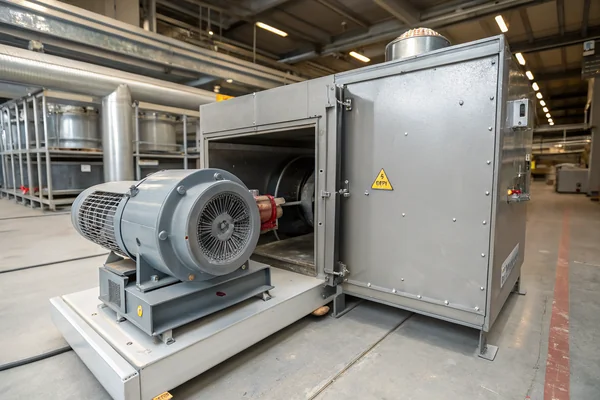
Blowers used in drying and curing processes often operate at elevated ambient temperatures -- sometimes handling air well above standard electronics cooling ranges -- which requires motor windings, bearing lubricants, and housing materials rated for sustained higher-temperature operation, not the standard commercial temperature range most general-purpose blowers are designed around.
Why Standard Temperature Ratings Fall Short Here
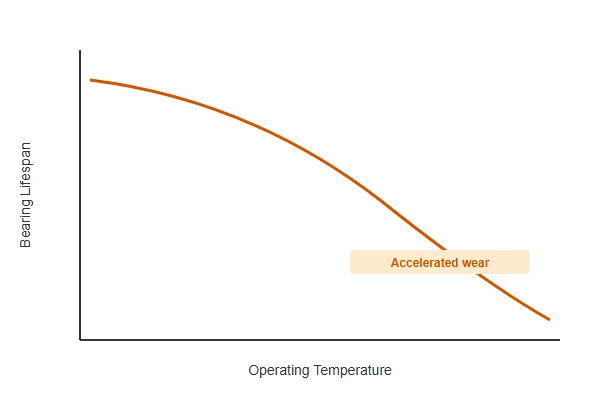
A blower rated for standard commercial electronics cooling temperature ranges may degrade significantly faster, or fail outright, when operated continuously in the elevated-temperature airflow typical of drying and curing equipment. Motor winding insulation, bearing lubricant viscosity, and even plastic housing materials all have temperature limits that, if exceeded regularly, accelerate degradation well beyond the component's rated lifespan under standard conditions. Confirming a blower's actual continuous operating temperature rating -- not just its peak momentary tolerance -- against your process's real operating temperature is essential before specifying it for this application.
How Do You Balance Airflow Volume Against Pressure for Drying Applications?
Getting this balance right directly affects both drying quality and process efficiency.
Drying and curing applications need airflow volume adequate to continuously replace moisture-saturated air at the material surface, paired with enough static pressure to push that airflow through ducting, distribution plenums, or the material itself if it's a through-flow process -- the correct balance depends heavily on the specific equipment's ducting design and material characteristics.
Why This Balance Is More Process-Specific Than a General Rule Can Capture
A through-flow drying process, where air passes directly through a porous material, generally demands more static pressure to overcome the material's own airflow resistance than a surface-drying process where air simply passes over the material's exterior. This is why blower sizing for drying and curing applications typically requires working from the specific equipment's actual airflow path and resistance characteristics, rather than applying a generic airflow target -- the same nominal drying task can have very different blower requirements depending on how the equipment is actually built.
Why Does Duty Cycle Matter as Much Here as in Other Continuous Applications?
Industrial drying and curing lines frequently run for extended periods with minimal downtime, similar to other continuous-duty industrial equipment.
Drying and curing equipment often runs continuously for full production shifts, sometimes around the clock in high-volume operations, which makes duty-cycle-rated bearings and sustained thermal performance essential selection criteria -- a blower rated only for intermittent use is likely to underperform its expected lifespan in this application.
Why Continuous Operation at Elevated Temperature Compounds Wear
Continuous operation alone accelerates bearing wear compared to intermittent use, and combining that with the elevated ambient temperature common in drying and curing equipment compounds the thermal stress on motor windings and bearing lubricant simultaneously. This combination -- continuous duty plus elevated temperature -- is a more demanding combination than either factor alone, which is why confirming a blower's duty cycle rating specifically under representative thermal conditions, not just at standard ambient temperature, matters more for this application than for many other blower use cases.
What Are Some Common Industrial Drying Applications, and Do Their Blower Needs Differ?
The category "industrial drying" actually spans meaningfully different processes with different blower demands.
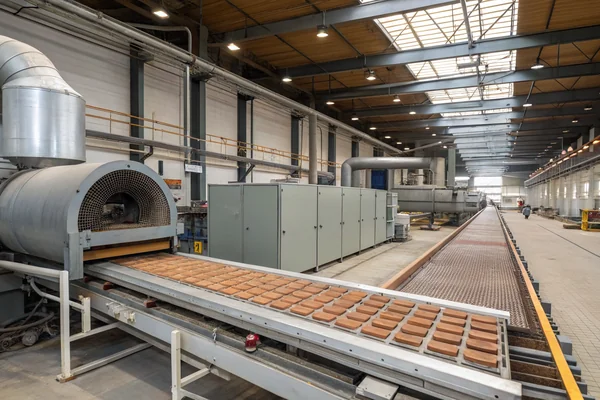
Common industrial drying and curing applications include paint and coating curing ovens, textile and fabric drying, food processing dehydration, and adhesive or composite material curing -- each shares the core need for sustained, temperature-tolerant airflow, but specific pressure, volume, and cleanliness requirements vary by material and process.
Why Food and Coating Applications Add Their Own Specific Constraints
Food processing drying applications often add cleanliness and food-contact material requirements on top of the standard airflow and thermal specs, while coating and paint curing applications may need to consider solvent vapor compatibility for the blower's materials and electrical components. These application-specific overlays mean that beyond the core airflow and thermal requirements common to all industrial drying, the specific process context often introduces additional selection criteria worth discussing directly with a supplier familiar with that particular application space.
We manufacture DC high-speed vortex blower fans designed for continuous-duty industrial applications, validated on our in-house CFM airflow test system and temperature cycling equipment at our Dongguan facility to confirm sustained performance under elevated-temperature operating conditions. With over 20 years of production experience under ISO 9001 and IATF 16949 certification, we work directly with equipment manufacturers to match blower specifications to the specific thermal and duty-cycle demands of their drying or curing process.
How Should You Approach Sourcing a Blower for a New Drying Equipment Design?
Starting the blower conversation early in equipment design, rather than treating it as a late-stage component selection, produces better outcomes.
When sourcing a blower for new drying or curing equipment, share your actual operating temperature range, duty cycle expectations, ducting or material resistance characteristics, and any process-specific requirements (food-contact, solvent exposure) with the supplier early -- this lets them recommend a blower genuinely matched to your application rather than a generic catalog fit.
Why Early Engagement Produces a Better-Matched Result
A supplier working from a complete picture of your actual operating conditions can recommend a blower with appropriate temperature rating, bearing type, and pressure-flow characteristics matched to your specific equipment, rather than you having to reverse-engineer whether a catalog product actually fits your application. This is particularly valuable for new equipment designs where the ducting and airflow path are still being finalized, since blower characteristics and airflow path design genuinely influence each other.
FAQ
Can a standard electronics cooling blower be used in a low-temperature drying application?
Potentially, if the actual operating temperature stays within the blower's standard rating, but confirming the blower's continuous (not just peak) temperature rating against your actual process temperature is essential before assuming compatibility.
How do I know if my current drying process is airflow-limited or heat-limited?
If increasing temperature further produces diminishing improvement in drying time, or if drying is uneven despite consistent heat, airflow is a likely bottleneck worth investigating before adding more heat capacity.
Does blower placement within the drying equipment matter significantly?
Yes -- placement affects how evenly airflow distributes across the material and how much of the heated air path resistance the blower needs to overcome, making it a meaningful design consideration alongside blower selection itself.
What's a reasonable expected service life for a blower in continuous drying applications?
This varies significantly by operating temperature and duty cycle, which is why requesting MTBF data specifically measured under conditions representative of your actual application, not standard ambient testing, gives a more realistic expectation.
Do food processing drying applications require special blower certifications?
Requirements vary by jurisdiction and specific application, but food-contact material compliance and cleanability are common considerations worth discussing directly with your blower supplier for this application category.
Can the same blower serve both drying and curing stages in a combined process?
Sometimes, if the temperature and airflow requirements are similar enough across both stages, but significantly different thermal demands between drying and curing stages often warrant separate blower sizing for each.
Blower selection for industrial drying and curing comes down to matching sustained thermal tolerance and duty-cycle reliability to your specific process, not just meeting a general airflow target. At Herays, our Dongguan facility has engineered DC brushless blowers for demanding continuous-duty industrial applications for over 20 years under ISO 9001 and IATF 16949 certification. If you're specifying a blower for a drying or curing process, we're glad to work through the thermal and airflow requirements with you directly.

Liang
I've been working with DC fans for 30 years — long enough to have seen the industry evolve from basic sleeve bearing designs to today's high-efficiency, IP68-rated systems built for the harshest environments imaginable. I founded Herays because I believed manufacturers and engineers deserved a supplier who could talk technical from day one. Not just hand over a datasheet, but actually help you select the right fan for your thermal load, your enclosure, your certification requirements. Most of what I write here comes directly from problems I've solved on the factory floor or in customer applications — medical devices, laser equipment, industrial automation, you name it. If it involves moving air efficiently and reliably, I've probably spent time thinking about it. When I'm not obsessing over airflow curves, I'm usually helping a customer figure out why their cooling system isn't performing the way their simulation said it would.
View all posts by Liang

