Category

DC Axial Fan

149 articles in this category

DC Axial Fan

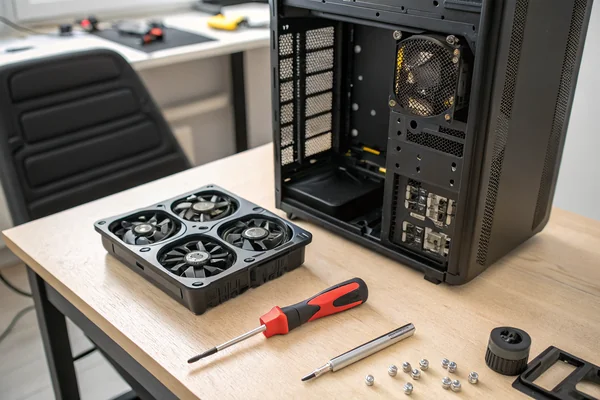
How Do You Actually Replace a PC Case Fan Without Getting It Wrong?

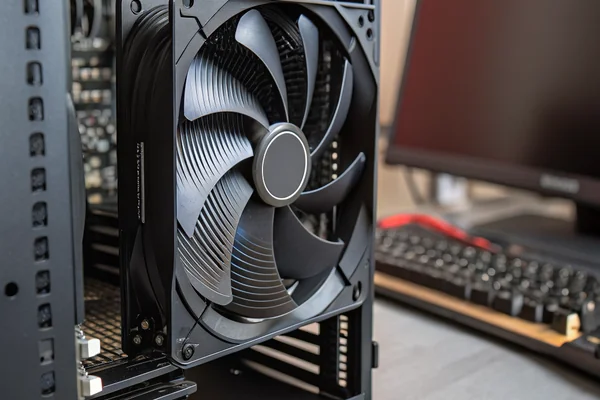
A fan swap looks trivial until the replacement doesn't fit the mounting holes, the connector doesn't match, or the airflow direction ends up backwards -- all avoidable with a bit of upfront checking. Replacing a PC case fan means confirming the correct size and mounting pattern, matching connector type, checking airflow direction markings before installation, […]

Read Article
DC Axial Fan

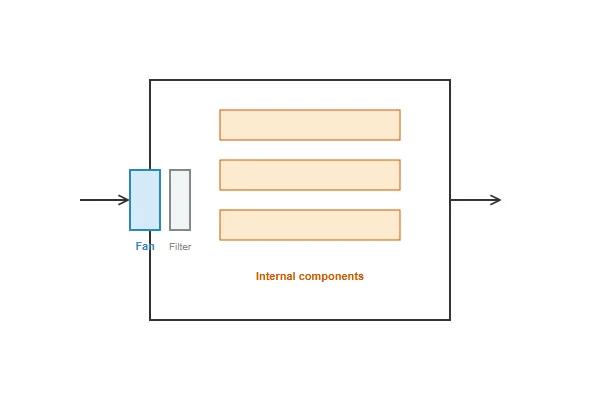
How Do You Actually Calculate the Right Fan Size for Your Application?

Guessing fan size from a similar past project is how thermal problems end up discovered after the enclosure is already built, when fixing it costs far more than getting the calculation right upfront. Calculating the right fan size starts with your system's actual thermal load in watts, converts that into a required airflow using a […]

Read Article
DC Axial Fan

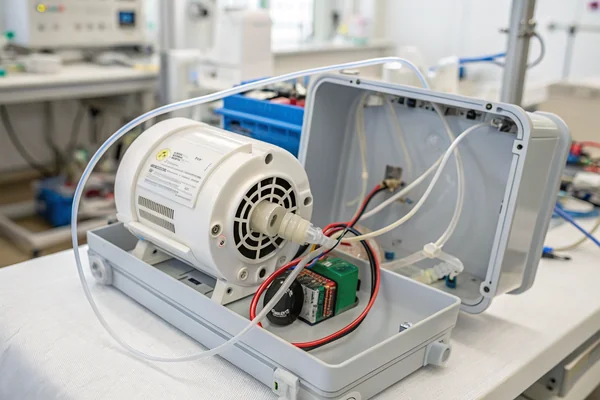
Why Does Fuel Cell Cathode Air Supply Demand a Different Kind of Blower?

Fuel cells don't just need air moved -- they need a precisely metered, humidity-tolerant, contamination-free supply of oxygen delivered continuously, which is a fundamentally different engineering problem than general cooling. Fuel cell systems require blowers capable of precise, stable cathode air delivery matched to the stack's actual oxygen demand, tolerant of the humid internal environment […]

Read Article
DC Axial Fan

Positive or Negative Pressure: Which PC Case Setup Actually Cools Better?

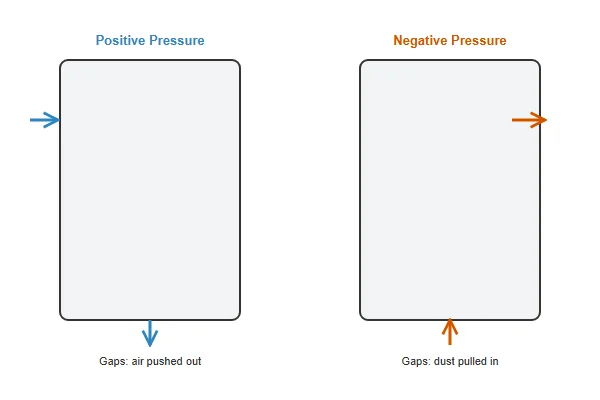
Two identical fan counts can produce very different dust accumulation and thermal results depending on one setup choice most builders never explicitly think about: whether the case runs positive or negative pressure. Positive pressure -- more intake airflow than exhaust -- reduces dust accumulation by forcing air out through small gaps rather than pulling unfiltered […]

Read Article
DC Axial Fan

Why Do Cooling Fans Actually Fail Prematurely? The Top 5 Root Causes

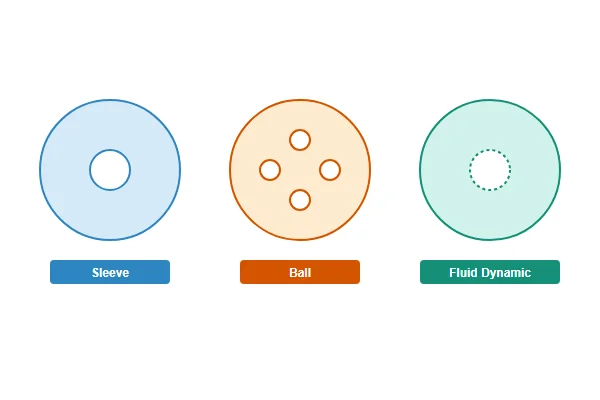
Most premature fan failures trace back to one of a handful of well-understood root causes, and nearly all of them are preventable with the right selection or installation choices made upfront. Cooling fans most commonly fail early from bearing wear and lubrication loss, overheating and thermal stress, vibration and mechanical shock, contamination from dust and […]

Read Article
DC Axial Fan

What Makes a DC Blower Right for Industrial Drying and Curing Work?

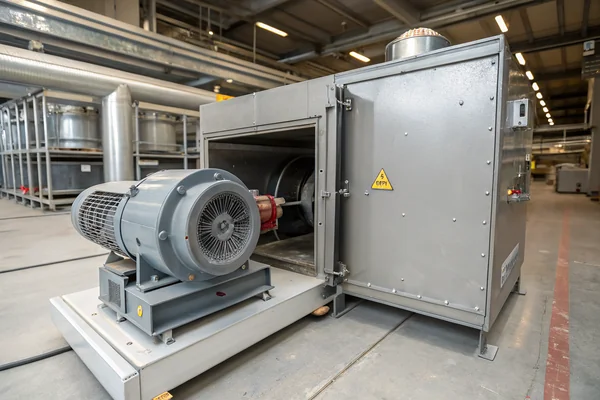
Drying and curing processes live or die on consistent, adequate heat transfer, and airflow is the delivery mechanism that makes or breaks that consistency across a batch. DC blowers used in industrial drying and curing applications need to sustain continuous, moderate-to-high pressure airflow across long duty cycles, often at elevated ambient temperature near the heat […]

Read Article
DC Axial Fan

How Fast Should Your Case Fans Actually Spin?

There's no single "correct" RPM for a case fan -- the right speed depends entirely on what you're trying to optimize, and chasing the wrong target wastes either thermal headroom or quiet. Case fan speed should generally sit as low as possible while still meeting your system's cooling requirement -- for most builds that means […]

Read Article
DC Axial Fan

What Questions Actually Reveal Whether a DC Fan Supplier Is Worth Your Business?

A datasheet tells you what a supplier claims their fan does. The right questions tell you whether they can actually back that claim up with process, data, and consistency. Evaluating a DC fan supplier means asking specific questions about testing methodology, certification documentation, quality control processes, lead times, and after-sales support -- vague general questions […]

Read Article
DC Axial Fan

What Makes a Blower Fit for Use in a Ventilator or Respiratory Device?

A blower failure in a ventilator isn't an inconvenience -- it's a life-support event, which is why the selection bar for this application sits far above general industrial cooling. A blower for ventilator and respiratory medical devices needs precise, stable pressure control, very low acoustic noise for clinical and home environments, validated reliability with redundancy […]

Read Article