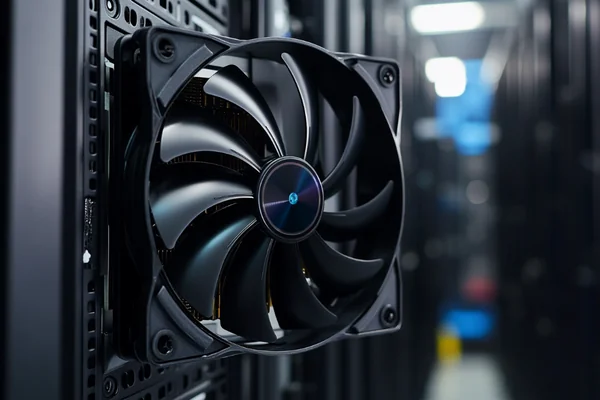
High-Speed DC Axial Fans: When Do You Need 10,000+ RPM?
Learn when you actually need a 10,000+ RPM DC axial fan for cooling. High-speed fans are only necessary for systems with high airflow resistance.
Read Article86 articles in this category
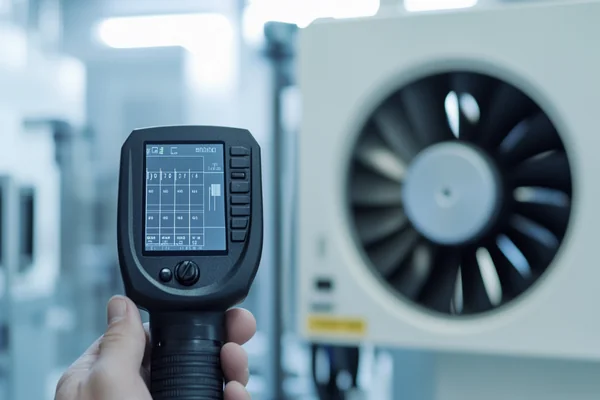
Learn when you actually need a 10,000+ RPM DC axial fan for cooling. High-speed fans are only necessary for systems with high airflow resistance.
Read ArticleLearn how to choose the quietest DC axial fan by matching airflow resistance, system needs, and proper bearing selection for optimal cooling performance.
Read ArticleLearn how to choose the right waterproof DC axial fan by matching IP ratings to environmental risks. Save money while ensuring proper protection.
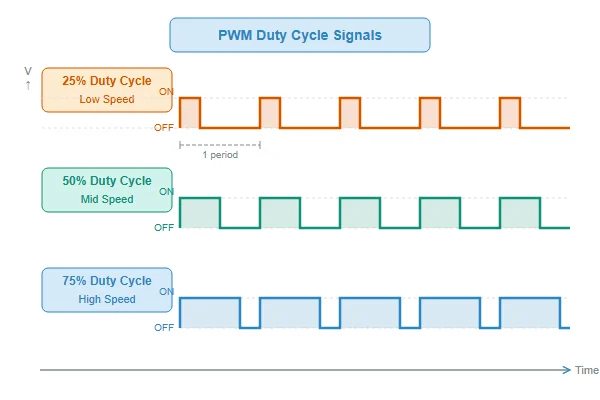
Read ArticleLearn when to use PWM vs voltage control for DC fans. Get precise speed control with PWM or simple, cost-effective solutions with voltage control.
Read ArticleLearn how to choose between CFM and static pressure ratings for DC axial fans based on your system's airflow resistance and cooling requirements.
Read ArticleLearn how to choose the right DC axial fan for your Raspberry Pi. Complete guide covering fan sizes, voltage requirements, and cooling solutions.
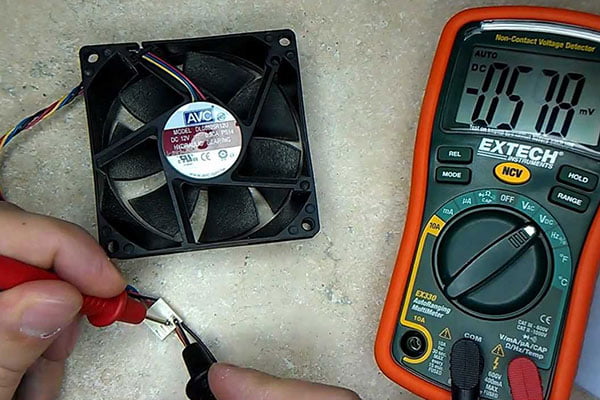
Read ArticleLearn to diagnose DC axial fan problems with proper testing methods. Identify warning signs like noise, vibration, and slow rotation before failures occur.
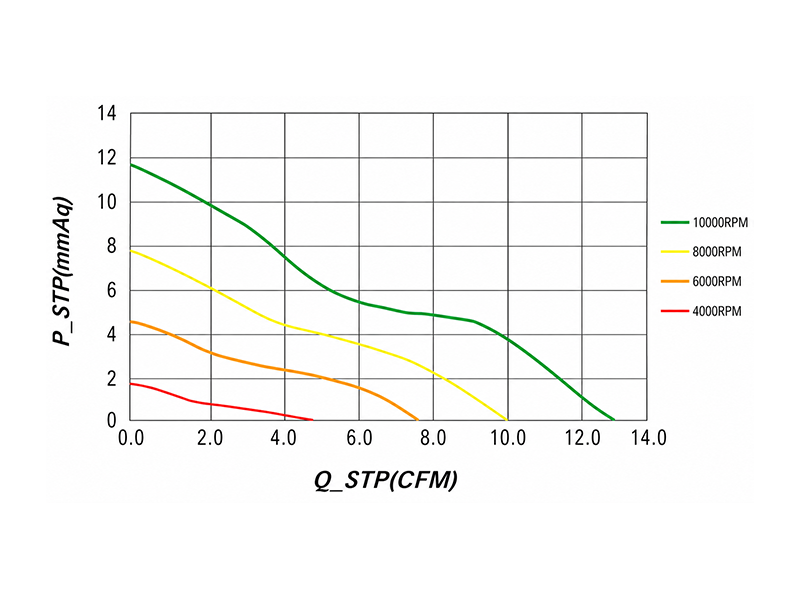
Read ArticleLearn why measuring CFM directly is impractical and how to use P-Q curves and static pressure to properly evaluate DC axial fan performance in your system.
Read ArticleLearn how to select DC axial fans with proper operating temperature ranges (-10°C to +70°C standard vs extended) to prevent costly failures in your designs.
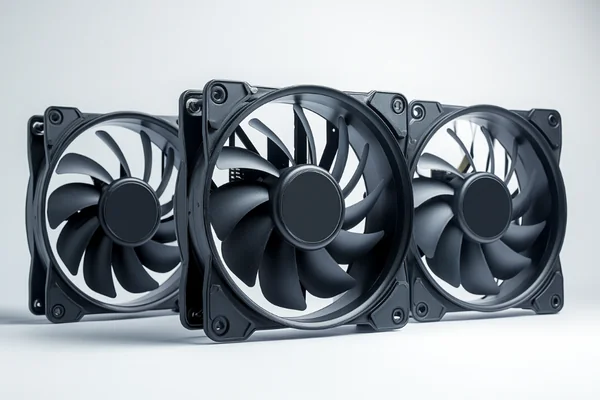
Read ArticleLearn what a DC axial fan is, how it works, and which specs matter most for choosing the right cooling solution for your project's success.
Read Article