Category

DC Axial Fan

86 articles in this category

DC Axial Fan

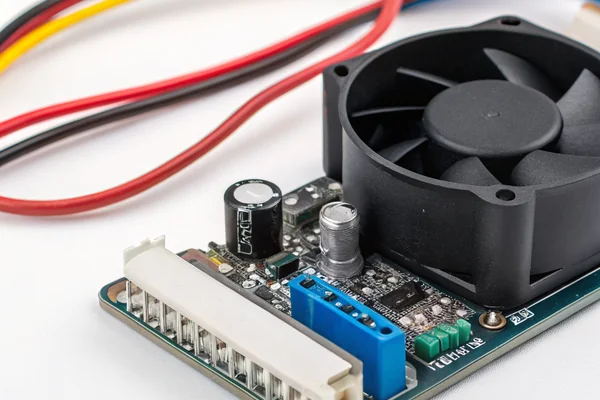
DC Fan Speed Controllers: Standalone vs PWM (and When You Need Either)

A fan running at full speed all the time isn't a design choice most engineers would make on purpose -- it's usually what happens when nobody added a way to control it. A standalone controller fixes that, often for less effort than expected. A standalone DC fan speed controller becomes necessary when the fan's connected […]

Read Article
DC Axial Fan

What Actually Happens to a DC Axial Fan at the End of Its Life?

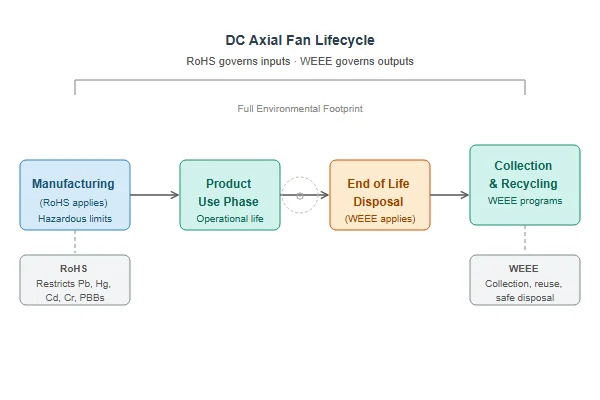
Every fan eventually reaches the end of its service life, and what happens next -- landfill, proper recycling, or somewhere in between -- depends on decisions made well before the fan ever stopped spinning. A DC axial fan's environmental footprint depends on manufacturing compliance, material choices, and end-of-life handling together -- RoHS and REACH govern […]

Read Article
DC Axial Fan

How Altitude Quietly Derates Your DC Axial Fan’s Performance

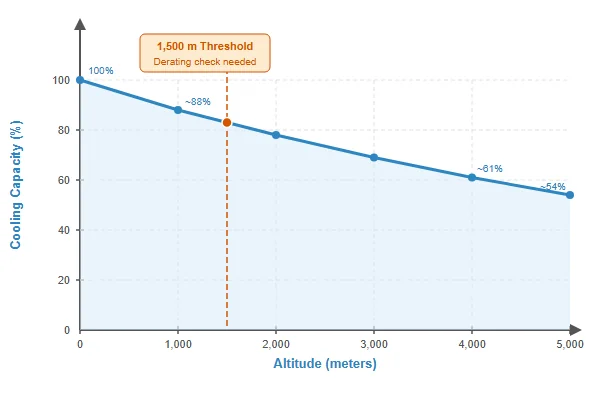
A fan that cools perfectly at sea level can quietly underperform once it's installed somewhere genuinely high up -- not because anything about the fan changed, but because the air it's moving got thinner. Air density decreases with altitude, and since a fan moves air by volume rather than mass, thinner high-altitude air carries away […]

Read Article
DC Axial Fan

DC Axial Fans for Smart Home Devices: Cooling on a Tiny Power Budget

A smart home hub that overheats doesn't announce it. It just starts dropping connections, lagging on commands, or quietly restarting -- and most people troubleshoot the software for weeks before anyone thinks to check whether the little box is actually running too hot. A DC axial fan matters for smart home devices because compact processors […]

Read Article
DC Axial Fan

Slim DC Axial Fans: What You Give Up to Fit a 10mm-Deep Space

Ten millimeters of depth doesn't sound like much of a constraint until it's the exact number standing between a working thermal design and a fan that simply won't fit inside the enclosure. Slim DC axial fans -- often as thin as 10mm deep -- solve real space constraints in laptops, thin enclosures, and compact AV […]

Read Article
DC Axial Fan

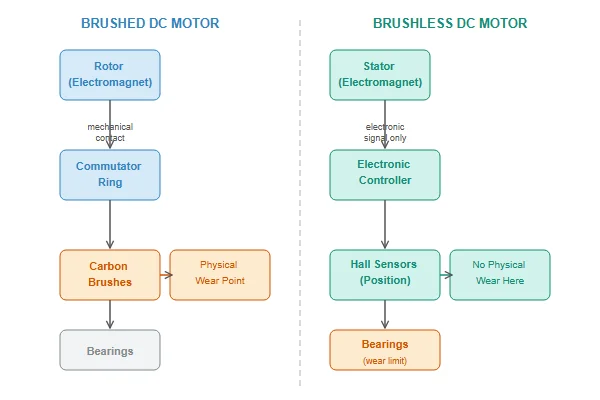
Brushless vs Brushed DC Fan Motors: Why the Difference Actually Matters

Brushed DC fan motors still exist, still cost less, and still fail faster in almost every way that matters for a modern electronics application. Understanding why brushless won isn't complicated, but it explains a lot of what's actually inside a fan you're buying. Brushless (BLDC) DC fan motors last longer, run more efficiently, and generate […]

Read Article
DC Axial Fan

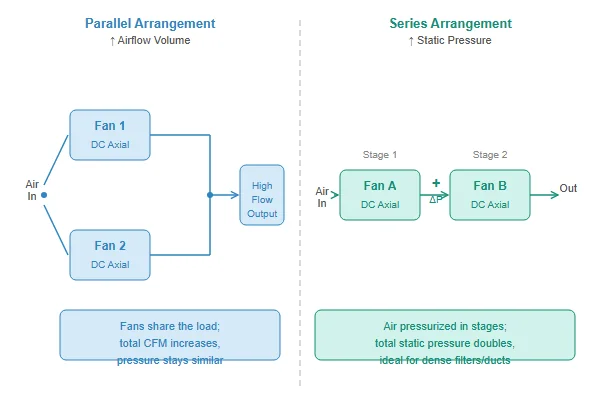
Fan Array Design: When to Run DC Axial Fans in Parallel vs Series

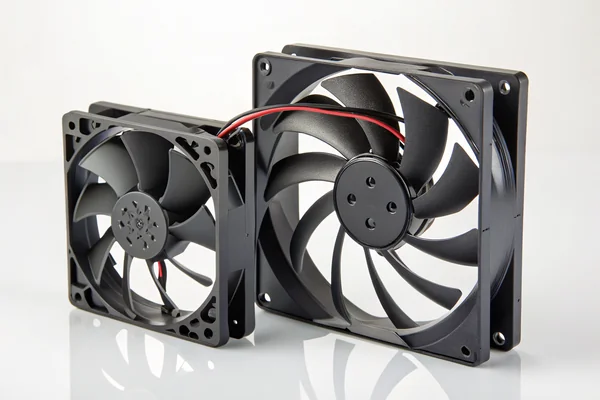
Bolting two fans side by side doesn't automatically double your airflow, and stacking two fans front-to-back doesn't automatically double your pressure. Fan array design has real rules, and getting them wrong wastes money on fans that aren't actually helping. Fan array design uses parallel arrangements to increase airflow and series (stacked) arrangements to increase static […]

Read Article