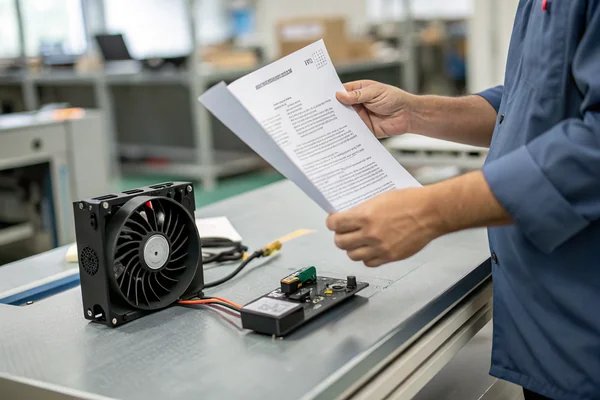
Every fan eventually reaches the end of its service life, and what happens next -- landfill, proper recycling, or somewhere in between -- depends on decisions made well before the fan ever stopped spinning.
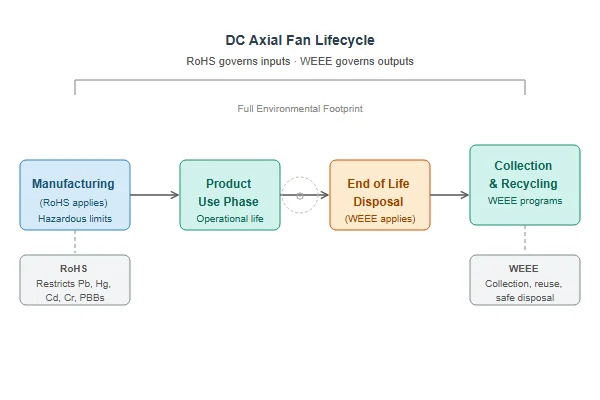
A DC axial fan's environmental footprint depends on manufacturing compliance, material choices, and end-of-life handling together -- RoHS and REACH govern what goes into the fan, WEEE governs how it should be handled when it's done, and responsible disposal depends on decisions buyers and users make throughout that lifecycle.
- Fan manufacturing has a real environmental footprint through material sourcing, energy use, and the hazardous substances historically used in electronics generally.
- RoHS restricts specific hazardous substances in electronic components, while REACH governs broader chemical safety across materials used in manufacturing.
- The WEEE directive specifically addresses how electronic waste, including fans, should be collected and processed at end of life in covered jurisdictions.
- Responsible disposal means routing old fans through proper e-waste channels rather than general trash, where recoverable materials and hazardous substances both end up mishandled.
- Eco-friendly fan choices generally come down to compliance history, material transparency, and genuine service life -- a longer-lived fan is often the more eco-friendly choice on its own.
Understanding a fan's environmental footprint means looking at the whole lifecycle, not just the moment it gets thrown away.
Table of Contents
What's the Real Environmental Footprint of Manufacturing a DC Fan?
Manufacturing impact starts well before a fan ever gets installed.
A DC fan's manufacturing footprint includes raw material extraction and processing (metals, plastics, magnets), energy use in production, and historically, the hazardous substances electronics manufacturing has used -- which is exactly what modern compliance frameworks like RoHS exist to reduce.
Where the Footprint Actually Accumulates
Plastic frame material, copper windings, magnetic materials, and the various electronic components inside a fan's driver circuit all carry their own extraction and processing footprint before assembly even begins. Manufacturing energy use, packaging, and shipping distance add further impact on top of the base materials. None of this is unique to fans specifically -- it's the general footprint of electronics manufacturing -- but understanding it is the starting point for evaluating genuine environmental claims versus vague "eco-friendly" marketing language.
| Lifecycle Stage | Environmental Consideration |
|---|---|
| Material sourcing | Metal, plastic, and magnet extraction/processing |
| Manufacturing | Energy use, historically hazardous substances |
| End of life | Proper e-waste handling vs landfill |
What Do RoHS and REACH Actually Require From a Fan Supplier?
These two frameworks address related but distinct aspects of chemical and material safety.
RoHS1 restricts specific hazardous substances -- lead, mercury, cadmium, and others -- from being used in electronic components including fans, while REACH governs the broader registration, evaluation, and safety of chemical substances used across manufacturing more generally, including many materials that go into a fan's construction.
Why These Are Two Separate but Related Requirements
RoHS (Restriction of Hazardous Substances) is specifically focused on a defined list of substances banned or restricted in electronic and electrical equipment, directly relevant to solder, plastics, and electronic components inside a fan. REACH (Registration, Evaluation, Authorisation and Restriction of Chemicals) casts a wider net across chemical substances generally, requiring registration and safety evaluation that touches many of the same materials from a different regulatory angle. A fan supplier compliant with both is addressing hazardous substance restriction and broader chemical safety together, which is why both certifications tend to be requested together in procurement.
What Does the WEEE Directive Actually Mean for Fan Disposal?
WEEE addresses what happens after RoHS and REACH have already shaped what's inside the fan.
The WEEE (Waste Electrical and Electronic Equipment) directive requires proper collection, treatment, and recycling of electronic waste in covered jurisdictions, meaning fans -- as electronic components -- should be routed through designated e-waste channels rather than general landfill disposal at end of life.
Why WEEE Exists as a Separate Framework From RoHS
RoHS controls what goes into a product; WEEE controls what happens when that product is done being used, requiring producers and, in many jurisdictions, retailers to support proper collection and recycling infrastructure for electronic waste. This closes the loop that RoHS alone doesn't address -- a fan can be fully RoHS-compliant in its materials and still end up improperly disposed of if it doesn't move through the collection and recycling systems WEEE is designed to support.
How Should You Actually Dispose of an Old DC Fan?
Proper disposal is more straightforward than people often assume, once you know the right channel.
Dispose of an old DC fan through a designated e-waste collection point, electronics recycler, or manufacturer take-back program rather than general household or commercial trash, since fans contain recoverable metals and components that proper e-waste processing can recover, along with materials better kept out of general landfill.
Why This Matters Beyond Just "Following the Rules"
Fans contain copper windings, magnetic materials, and various metals that proper e-waste recycling can actually recover and reuse, reducing the need for new raw material extraction. Routing a fan through general trash instead sends recoverable materials to landfill and, in jurisdictions with less waste processing infrastructure, can release substances better handled through controlled e-waste processing. Many municipalities and electronics retailers offer accessible e-waste drop-off options specifically to make proper disposal easy rather than a genuine hassle.
What Makes One Fan More Eco-Friendly Than Another, Really?
Genuine eco-friendliness comes down to a handful of concrete factors, not vague marketing language.
A genuinely more eco-friendly fan comes down to verified RoHS/REACH compliance, transparent material sourcing, and -- often overlooked -- longer real service life, since a fan that lasts twice as long effectively halves the manufacturing footprint per year of actual use compared to one that needs replacement sooner.
Why Longevity Is an Underrated Environmental Factor
Compliance certifications address what's in the fan and how it's regulated, but a fan's actual environmental footprint per year of service also depends heavily on how long it actually lasts before needing replacement. A reliable, longer-lived fan reduces the frequency of manufacturing, shipping, and disposal cycles compared to a cheaper, shorter-lived alternative, which means genuine reliability engineering is itself a meaningful environmental factor, not just a performance one.
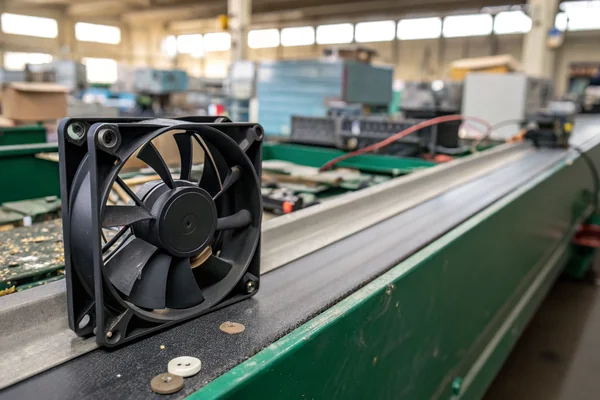
Can DC Fan Materials Actually Be Recycled in Practice?
Recyclability varies by material and by the accessibility of proper recycling infrastructure in a given region.
DC fan materials -- metals, magnets, and many plastics -- are technically recyclable, and proper e-waste recycling facilities are generally equipped to recover them, though actual recycling rates depend heavily on whether fans are routed through those facilities rather than general waste in the first place.
Why the Technical Capability Doesn't Guarantee the Outcome
The materials inside a fan are largely recoverable using established e-waste recycling processes -- metal separation, magnet recovery, plastic sorting -- which is well-established technology at proper recycling facilities. The gap isn't usually technical capability; it's whether fans (and electronics generally) actually get routed through those facilities versus ending up in general waste streams, which is exactly why proper disposal channel choice matters as much as the material's theoretical recyclability.
Does Buying From a Compliant Supplier Actually Reduce Your Own Compliance Burden?
Sourcing choices upstream genuinely affect a buyer's own regulatory exposure downstream.
Sourcing from a RoHS- and REACH-compliant supplier reduces a buyer's own compliance risk, since incorporating a non-compliant component into a finished product can create liability for the buyer even if the fan itself wasn't the buyer's own manufacturing decision -- compliance documentation from suppliers is a real risk-management tool, not just a formality.
Why Supplier Compliance Becomes Your Compliance
Regulatory frameworks like RoHS generally apply to finished products sold into covered markets, which means a non-compliant component buried inside an otherwise compliant product can still create real regulatory exposure for whoever sells the finished product. Requesting and retaining compliance documentation from fan suppliers isn't just due diligence -- it's a practical way to manage that downstream liability, which is exactly why serious buyers ask for this documentation as standard procurement practice, not an optional extra.
We've maintained RoHS and REACH compliance across our fan lines for over 20 years, and we provide full compliance documentation to every customer who needs it for their own downstream regulatory requirements. Beyond ISO 9001 and IATF 16949 quality certification, we hold ISO 14001 environmental management certification and QC 080000 hazardous substance process management certification specifically -- the latter is a process-level certification for how hazardous substances are controlled throughout manufacturing, not just a claim about the finished product. We're glad to support customers navigating their own end-of-life and compliance obligations for products built with our fans.
FAQ
Are all DC fans automatically RoHS compliant?
Not automatically -- compliance depends on the specific manufacturer's material choices and processes. Always request documentation rather than assuming compliance from a general product category.
Does WEEE compliance apply to fans sold as replacement/spare parts, not just complete products?
WEEE generally covers electrical and electronic equipment broadly, though specific applicability to individual components versus finished products can vary by jurisdiction -- worth confirming for your specific market.
Can I recycle a fan myself, or does it need to go through a specialized facility?
Specialized e-waste facilities are the appropriate channel, since they have the equipment to properly separate and recover materials -- general recycling bins aren't typically equipped for electronic component recycling.
Does fan packaging also factor into environmental compliance?
Packaging is often addressed under separate environmental regulations from the product itself, though many suppliers optimize both together as part of a broader sustainability approach.
Is there a meaningful difference between RoHS and RoHS 2/3 compliance?
Yes -- RoHS has been updated over time (RoHS 2, RoHS 3) with expanded substance restrictions and scope, so confirming which specific version a supplier complies with matters for full regulatory accuracy.
Does choosing a more expensive, longer-lasting fan actually reduce environmental impact meaningfully?
Often yes, since replacement frequency directly multiplies the manufacturing and disposal footprint over a given period of use -- a reliable fan used for years has a lower footprint per year of service than a cheaper fan replaced repeatedly.
A fan's environmental footprint isn't determined at the moment of disposal -- it's shaped by manufacturing compliance, material choices, and genuine service life from the very beginning, and buyers who ask the right questions upstream reduce both their own compliance risk and the fan's real environmental impact. At Herays, our Dongguan facility has maintained RoHS, REACH, and ISO 14001 environmental compliance for over 20 years, alongside ISO 9001 and IATF 16949 quality certification. If you need compliance documentation for your own downstream requirements, we're glad to provide it.
The RoHS Directive restricts the use of specific hazardous substances -- including lead, mercury, and cadmium -- in electrical and electronic equipment sold into covered markets, driving material and process changes throughout electronics manufacturing since its introduction. ↩

Liang
I've been working with DC fans for 30 years — long enough to have seen the industry evolve from basic sleeve bearing designs to today's high-efficiency, IP68-rated systems built for the harshest environments imaginable. I founded Herays because I believed manufacturers and engineers deserved a supplier who could talk technical from day one. Not just hand over a datasheet, but actually help you select the right fan for your thermal load, your enclosure, your certification requirements. Most of what I write here comes directly from problems I've solved on the factory floor or in customer applications — medical devices, laser equipment, industrial automation, you name it. If it involves moving air efficiently and reliably, I've probably spent time thinking about it. When I'm not obsessing over airflow curves, I'm usually helping a customer figure out why their cooling system isn't performing the way their simulation said it would.
View all posts by Liang