
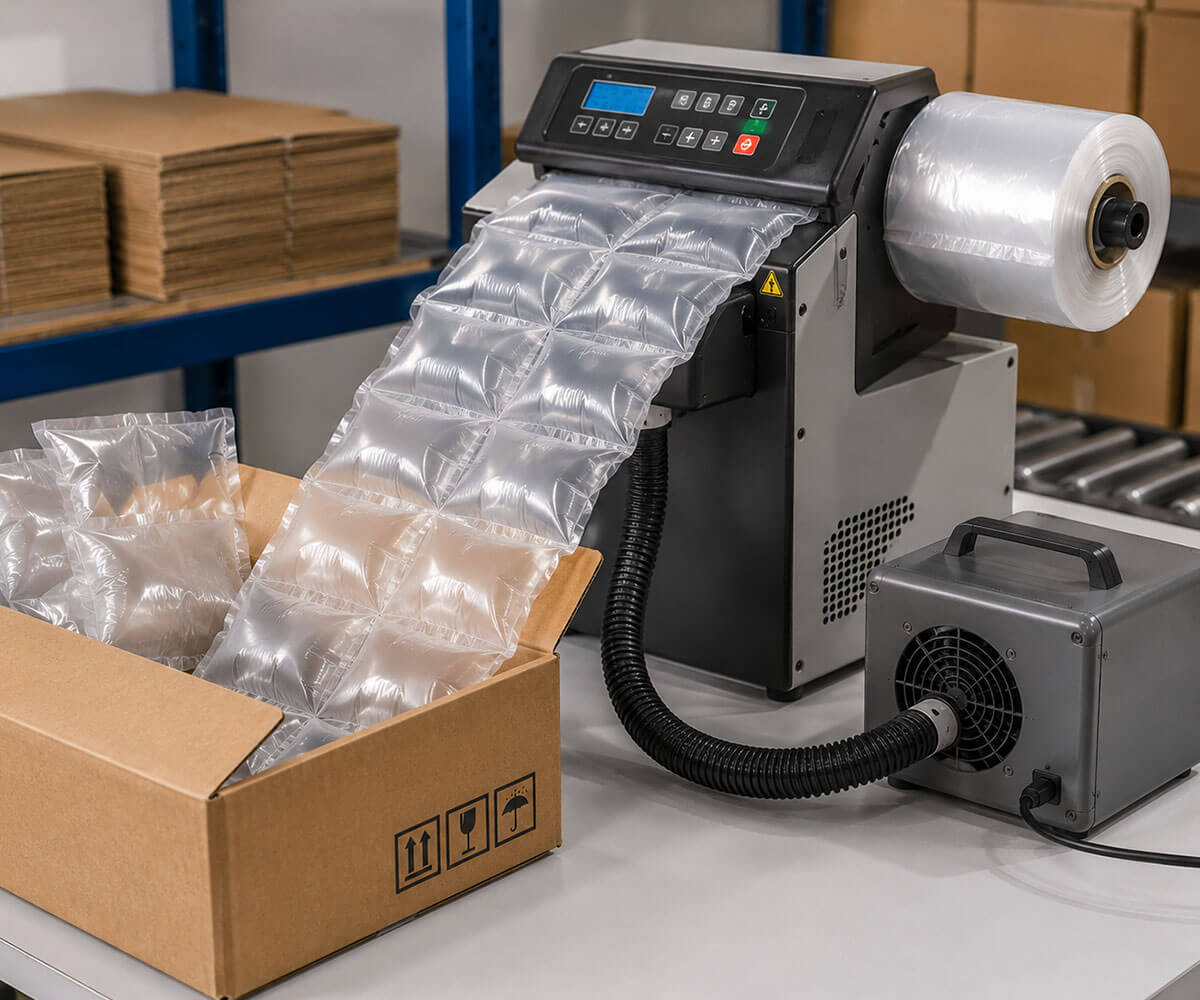
Compact inflation
Blower choices for low-voltage air cushion and air support systems.
Compact blower airflow for air cushion and air support products
Understanding the specific thermal and environmental demands of Air Cushion Blower and Air Mat Systems environments is the foundation of every Herays solution.
Air cushion and air mat systems — including inflatable industrial work mats, pneumatic lifting cushions, air flotation tables for glass handling, air bearings for precision equipment positioning, and pressurized anti-decubitus mattress systems for medical use — require blower systems that maintain consistent low-pressure airflow to a distributed air distribution structure. The application demands are different from standard packaging air cushions: these systems operate continuously, often have critical safety or positioning accuracy implications, and may be used in environments where noise, vibration, and power consumption are all constrained.
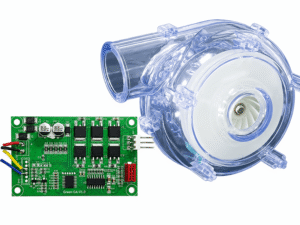
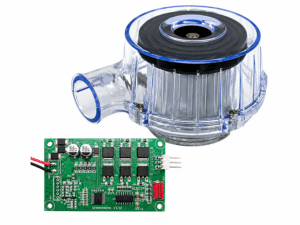
Herays centrifugal BLDC blowers for air mat and air cushion systems are available in 12V and 24V variants with low-noise operation and continuous duty ratings suitable for sustained air distribution applications.
Specifications relevant to air cushion and air mat blower selection:
How do I size a blower for an air flotation table? Sum the total perforation area across the table surface, estimate the airflow through each perforation at your target operating pressure (using Q = Cd × A × √(2ΔP/ρ) where Cd is the discharge coefficient for your perforation geometry), then total the required flow. Add 20% margin for supply line losses and fit the blower to operate at 70–80% of maximum speed at this flow and pressure — this leaves headroom for table loading variations.
What causes air pressure fluctuation in an anti-decubitus mattress blower system? The most common causes are: (1) partially blocked air distribution tubes or nozzles from fabric compression or debris; (2) blower speed hunting from an unstable control loop; (3) air leaks at mattress seams or connector joints. Regular cleaning of the mattress distribution system and a periodic blower speed check (via tachometer output) identifies the root cause of pressure instability.
How is a medical anti-decubitus blower different from a packaging air cushion blower? Medical applications require biocompatible materials, resistance to hospital disinfectants, very low noise (35 dBA max), and often IEC 60601 electrical safety compliance. Packaging blowers are specified primarily for throughput and cost. The blower motor topology and performance curve may be similar, but the housing materials, motor insulation class, safety documentation, and noise target differ significantly.
Contact Herays for air cushion and air mat blower specifications, medical-grade material options, and anti-vibration mounting solutions.
Precision-engineered DC fan technologies tailored to the performance and reliability requirements of Air Cushion Blower and Air Mat Systems applications.
Blower choices for low-voltage air cushion and air support systems.
Selection by pressure-flow needs and chamber resistance.
Options focused on compact size, low noise, and efficient operation.
Herays DC fan and blower products engineered to meet the performance requirements of Air Cushion Blower and Air Mat Systems systems.
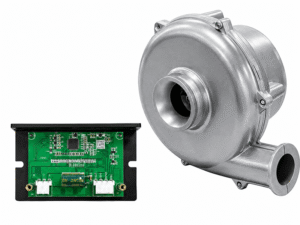 DC Blower Fan
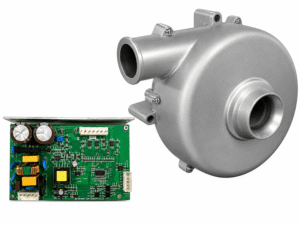 DC Blower Fan
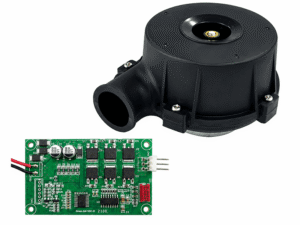 DC Blower Fan
 DC Blower Fan
 DC Blower Fan
Technical and application-specific questions about Herays fans for Air Cushion Blower and Air Mat Systems environments.
Our application engineers are available to help you select the right product for your system requirements.