
Technical Resources & Industry Insights
Explore technical guides, application notes, product selection tutorials, and industry news for industrial cooling solutions.
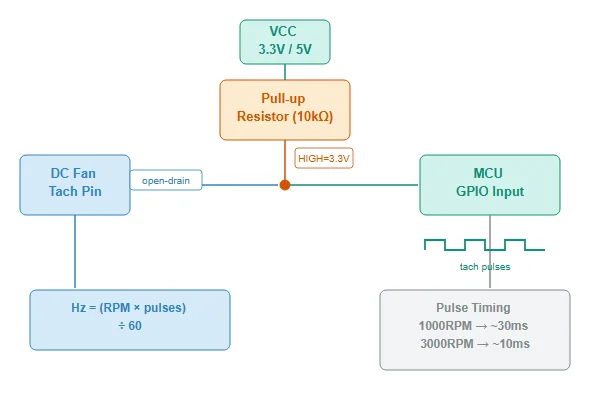
DC Fan Tachometer Signal: How to Monitor Fan Speed
Cooling failures are usually silent failures -- the fan stops moving air and nothing tells you until the overheating damage is already done. The tach signal is the one thing that can catch it early. Key Takeaways Tach signals give real-time RPM feedback, typically two pulses per revolution on a standard 4-wire fan. It's an […]
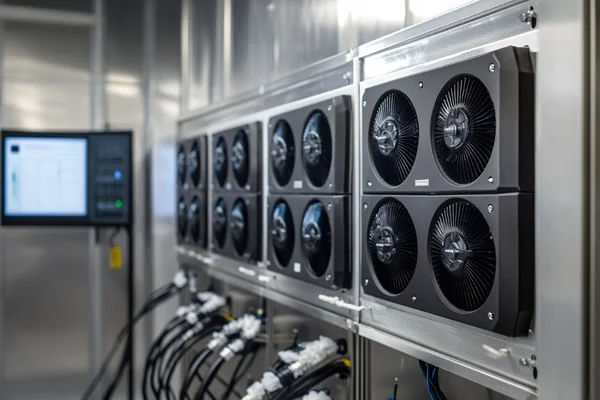
Conformal Coating for DC Axial Fans: Harsh Environment Protection
Take a fan that works fine indoors and drop it into a salt-spray marine environment or an outdoor cabinet, and the unprotected electronics become the weak link fast -- that's usually where conformal coating enters the conversation. Key Takeaways Conformal coating is a thin protective film over the motor and control circuit that shields against […]
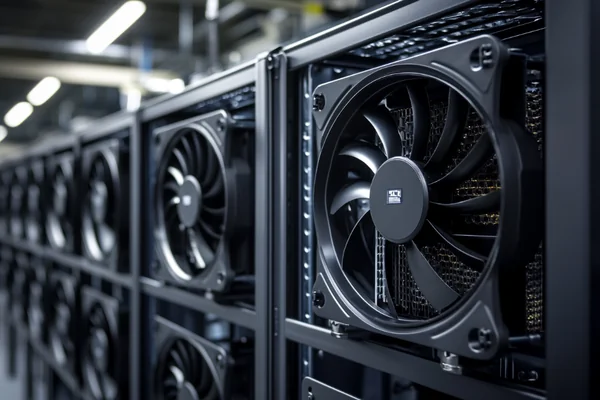
DC Axial Fan for Cabinet Cooling: Selection & Layout Guide
Cabinet cooling gets treated as an afterthought until something overheats and takes down a production line -- and by then the fix usually isn't a bigger fan, it's a better airflow layout. Key Takeaways Most cabinet cooling failures trace back to poor airflow design, not undersized fans. Even a high-CFM fan fails if hot air […]

How to Mount a DC Axial Fan Properly: Anti-Vibration Tips
More fans fail from bad mounting than from electrical problems or bearing defects combined -- a perfectly good fan can turn into a noise generator, or die early, just from how it's bolted in. Key Takeaways Improper mounting is the leading cause of premature bearing failure and excess noise in DC axial fans -- often […]
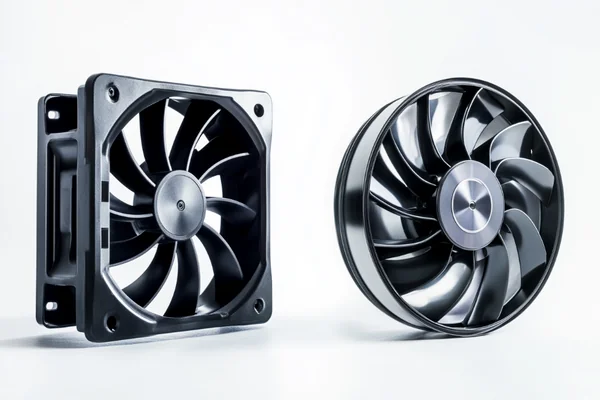
DC Axial Fan vs Centrifugal Fan: Key Differences
Engineers get stuck comparing CFM ratings and miss the bigger question: does the air in your system move in a straight line, or does it need to turn a corner? That's really what decides between axial and centrifugal. Key Takeaways Axial fans push air straight through along the motor shaft. Centrifugal fans pull air in […]

Polarity Protection in DC Axial Fans: Why It Matters
Learn why polarity protection in DC axial fans prevents costly damage from wiring mistakes and how to choose the right protection for your application.
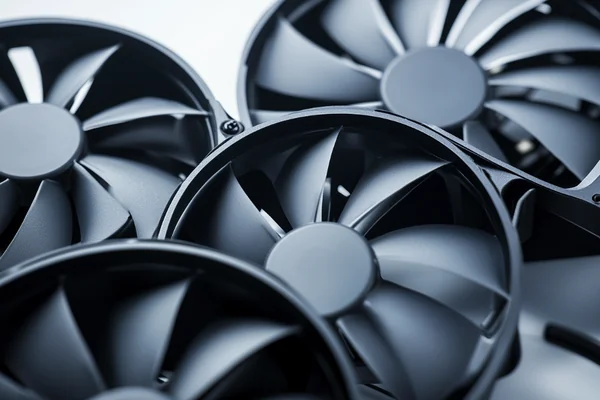
DC Axial Fan Blade Count: Does It Affect Performance?
Blade count is one of the most misunderstood specs on a DC axial fan datasheet -- more blades doesn't automatically mean better performance, and picking the wrong count can leave you with a fan that looks great on paper and underperforms in the real enclosure. Key Takeaways Blade count runs anywhere from 3 to 13 […]
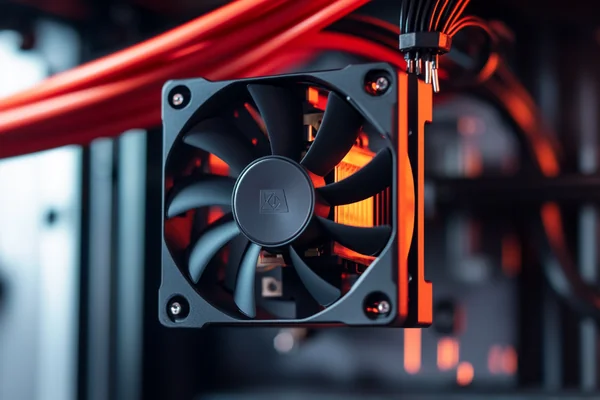
DC Axial Fan for 3D Printers: Which Fan Goes Where?
Learn which DC axial fans work best for hotend, part cooling, and electronics in 3D printers. Match the right fan type to each cooling job for better prints.
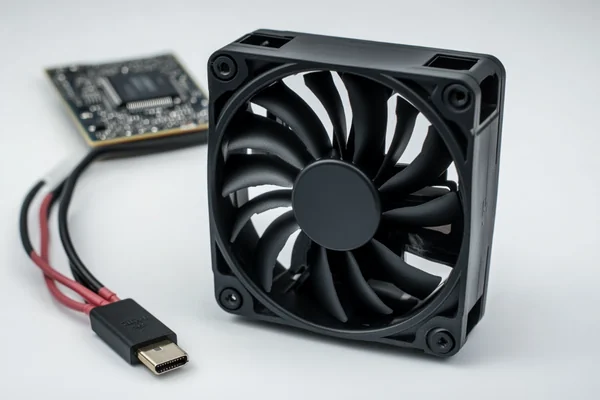
5V DC Axial Fans: Applications, Specs & Selection Tips
Learn how to choose the right 5V DC axial fan by matching airflow, static pressure, and power requirements to your specific cooling application needs.
Need cooling solutions for your project?
Browse our product range or use our selector tool to find the right fan for your application.