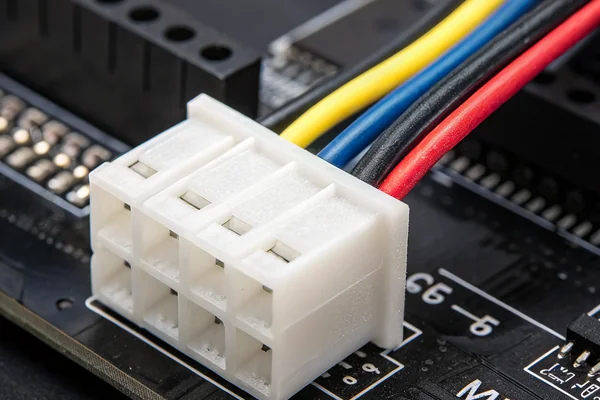
Polarity Protection in DC Axial Fans: Why It Matters
Learn why polarity protection in DC axial fans prevents costly damage from wiring mistakes and how to choose the right protection for your application.
Read Article31 articles in this category
Learn why polarity protection in DC axial fans prevents costly damage from wiring mistakes and how to choose the right protection for your application.
Read ArticleKey Takeaways Blade count typically ranges from 3 to 13 blades on DC axial fans, with each configuration offering distinct trade-offs between airflow, static pressure, and noise characteristics. Fewer blades (3-5) generate higher maximum CFM but lower static pressure, making them suitable for open-air cooling where resistance is minimal. More blades (7-13) produce higher static […]
Read ArticleLearn which DC axial fans work best for hotend, part cooling, and electronics in 3D printers. Match the right fan type to each cooling job for better prints.
Read ArticleLearn how to choose the right 5V DC axial fan by matching airflow, static pressure, and power requirements to your specific cooling application needs.
Read ArticleCompare sleeve, ball, and fluid dynamic bearings for DC axial fans. Learn which bearing type offers the best trade-off between cost, noise, and lifespan.
Read ArticleLearn when you actually need a 10,000+ RPM DC axial fan for cooling. High-speed fans are only necessary for systems with high airflow resistance.
Read ArticleLearn how to choose the quietest DC axial fan by matching airflow resistance, system needs, and proper bearing selection for optimal cooling performance.
Read ArticleLearn how to choose the right waterproof DC axial fan by matching IP ratings to environmental risks. Save money while ensuring proper protection.
Read ArticleLearn when to use PWM vs voltage control for DC fans. Get precise speed control with PWM or simple, cost-effective solutions with voltage control.
Read ArticleLearn how to choose between CFM and static pressure ratings for DC axial fans based on your system's airflow resistance and cooling requirements.
Read Article