DC Axial Fan for Raspberry Pi: Cooling Your SBC Properly
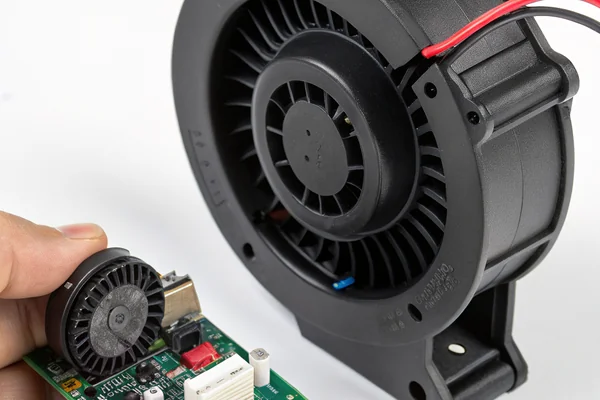
Learn how to choose the right DC axial fan for your Raspberry Pi. Complete guide covering fan sizes, voltage requirements, and cooling solutions.
Read Article31 articles in this category
Learn how to choose the right DC axial fan for your Raspberry Pi. Complete guide covering fan sizes, voltage requirements, and cooling solutions.
Read ArticleLearn to diagnose DC axial fan problems with proper testing methods. Identify warning signs like noise, vibration, and slow rotation before failures occur.
Read ArticleLearn why measuring CFM directly is impractical and how to use P-Q curves and static pressure to properly evaluate DC axial fan performance in your system.
Read ArticleLearn how to select DC axial fans with proper operating temperature ranges (-10°C to +70°C standard vs extended) to prevent costly failures in your designs.
Read ArticleLearn what a DC axial fan is, how it works, and which specs matter most for choosing the right cooling solution for your project's success.
Read ArticleLearn how to select the right micro DC axial fan under 40mm by balancing airflow, static pressure, noise, and lifespan for compact electronics.
Read ArticleLearn how axial fan orientation affects cooling performance. Discover when to use intake vs exhaust fans for optimal airflow and temperature control.
Read ArticleComplete guide to choosing the right DC axial fan voltage. Learn why 12V, 24V, and 48V fans differ and how to match your system's power supply requirements.
Read ArticleExpert guide to choosing the right DC axial fan size from 25mm to 172mm. Balance cooling performance, space constraints, and noise levels for optimal results.
Read ArticleLearn to calculate and improve DC axial fan efficiency by matching performance curves to system impedance, not just chasing datasheet numbers.
Read Article