
Technical Resources & Industry Insights
Explore technical guides, application notes, product selection tutorials, and industry news for industrial cooling solutions.

What Does RoHS Compliance Actually Mean for the Fan You’re Sourcing?
RoHS gets mentioned casually on nearly every electronics datasheet, but the actual claim behind that label deserves more scrutiny than most buyers give it before assuming a fan is genuinely compliant. **RoHS compliance means a fan's materials stay below restricted thresholds for specific hazardous substances -- lead, mercury, cadmium, and several others -- and while […]

Forward-Curved or Backward-Curved Impeller: Which One Fits Your Blower Application?
Two blowers can look nearly identical from the outside and still perform very differently once running, because the blade curvature inside the impeller shapes pressure, efficiency, and noise in genuinely different ways. Forward-curved impellers deliver high airflow at lower pressure and tend to run louder for a given output, while backward-curved impellers deliver higher efficiency […]

Do You Actually Need a Fan Hub, or Will a Splitter Do the Job?
Running out of motherboard fan headers is a common problem in builds with six or more fans, but the fix -- a splitter or a hub -- isn't interchangeable, and picking wrong can mean losing speed control across your whole build. A fan hub or splitter lets multiple fans share a single motherboard header, but […]

How Do You Actually Source DC Fans From China Without Getting Burned?
The manufacturing capability is real and the cost advantage is real, but so are the sourcing mistakes that catch first-time buyers -- and nearly all of them are avoidable with the right due diligence process. Sourcing DC fans from China successfully means evaluating manufacturers on verifiable factory capability rather than trading company claims, sampling and […]

What Makes a Blower Right for an Air Knife System?
An air knife looks simple from the outside -- a thin blade of high-velocity air -- but the blower behind it has to hit a very specific pressure and volume combination to make that blade actually work. Air knife systems need a blower capable of delivering high-velocity, focused airflow through a narrow slot nozzle, which […]
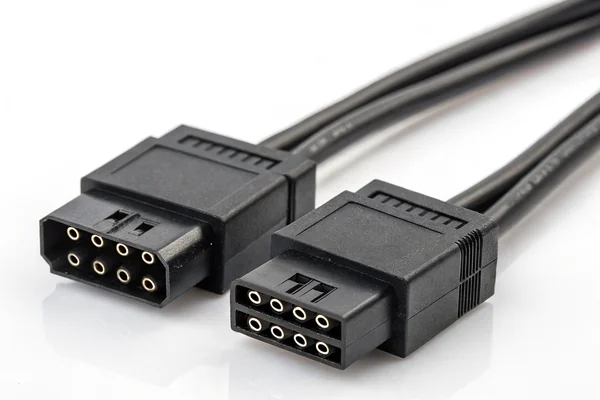
Can You Actually Sync ARGB Fans From Different Brands?
RGB ecosystem marketing promises seamless lighting sync across your whole build, but the reality involves a specific technical standard that either matches across brands or doesn't -- and knowing which is which saves a lot of frustrated troubleshooting. ARGB is a standardized 5V, 3-pin addressable RGB protocol that most major motherboard and fan brands have […]

What Does a Cooling Fan Actually Cost You Over Its Lifetime?
The cheapest fan on the quote sheet is rarely the cheapest fan once energy use, replacement labor, and downtime risk get factored into the real total. Total cost of ownership for a cooling fan includes the purchase price, energy consumption over its service life, maintenance and eventual replacement costs, and the cost of any downtime […]
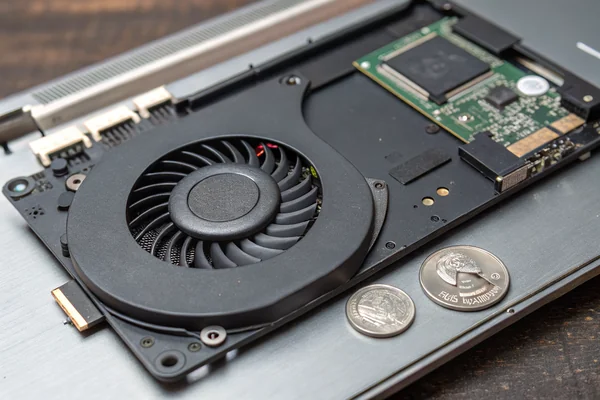
Why Do Laptops Use Thin Blowers Instead of Regular Fans?
Cracking open a laptop reveals a cooling component that looks nothing like a desktop case fan -- and that difference isn't cosmetic, it's a direct response to the millimeters of clearance laptop designers actually have to work with. Laptops use thin centrifugal blowers rather than axial fans because a blower's radial airflow path fits within […]
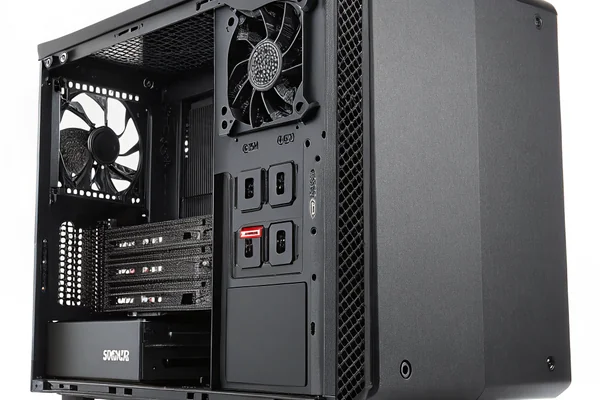
How Do You Actually Cool a Mini-ITX Build Without It Sounding Like a Jet?
Small form factor builds pack the same heat-generating components as a full tower into a fraction of the airflow path, which means every fan decision matters more than it would in a spacious case. Cooling a small form factor build effectively means prioritizing static-pressure-capable fans that can push air through tight, restrictive internal spacing, choosing […]

How Much Airflow Does Your System Actually Need? A Real CFM Calculation
Guessing at CFM from a similar past project, or trusting a manufacturer's "recommended" fan without checking the math, is how thermal problems get discovered after the design is already committed. Calculating required CFM starts with your system's actual heat load in watts, applies a standard formula relating heat, temperature rise, and airflow, then checks that […]
Need cooling solutions for your project?
Browse our product range or use our selector tool to find the right fan for your application.