
Technical Resources & Industry Insights
Explore technical guides, application notes, product selection tutorials, and industry news for industrial cooling solutions.
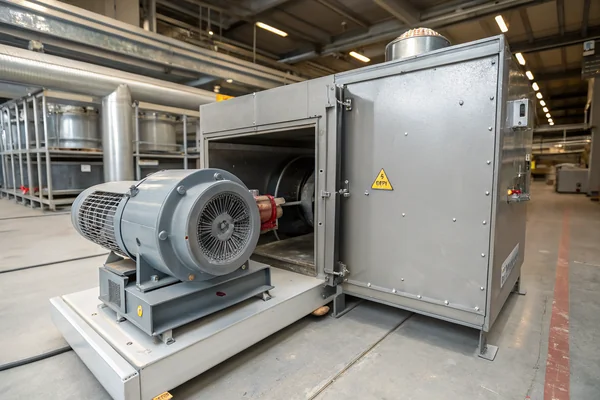
What Makes a DC Blower Right for Industrial Drying and Curing Work?
Drying and curing processes live or die on consistent, adequate heat transfer, and airflow is the delivery mechanism that makes or breaks that consistency across a batch. DC blowers used in industrial drying and curing applications need to sustain continuous, moderate-to-high pressure airflow across long duty cycles, often at elevated ambient temperature near the heat […]
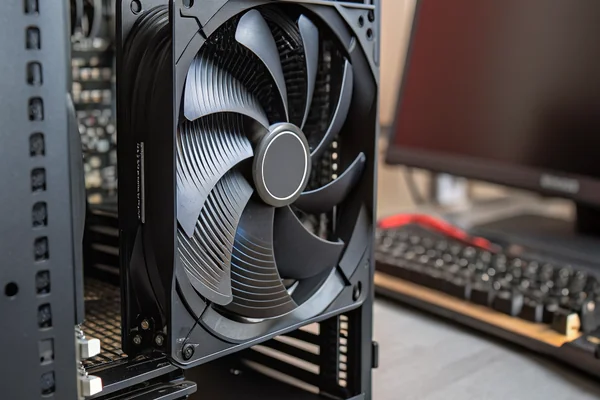
How Fast Should Your Case Fans Actually Spin?
There's no single "correct" RPM for a case fan -- the right speed depends entirely on what you're trying to optimize, and chasing the wrong target wastes either thermal headroom or quiet. Case fan speed should generally sit as low as possible while still meeting your system's cooling requirement -- for most builds that means […]

What Questions Actually Reveal Whether a DC Fan Supplier Is Worth Your Business?
A datasheet tells you what a supplier claims their fan does. The right questions tell you whether they can actually back that claim up with process, data, and consistency. Evaluating a DC fan supplier means asking specific questions about testing methodology, certification documentation, quality control processes, lead times, and after-sales support -- vague general questions […]
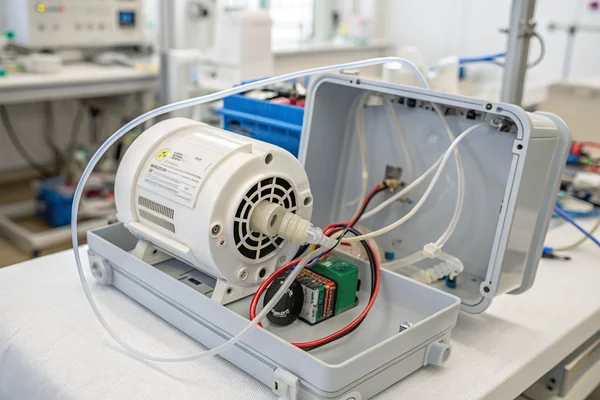
What Makes a Blower Fit for Use in a Ventilator or Respiratory Device?
A blower failure in a ventilator isn't an inconvenience -- it's a life-support event, which is why the selection bar for this application sits far above general industrial cooling. A blower for ventilator and respiratory medical devices needs precise, stable pressure control, very low acoustic noise for clinical and home environments, validated reliability with redundancy […]
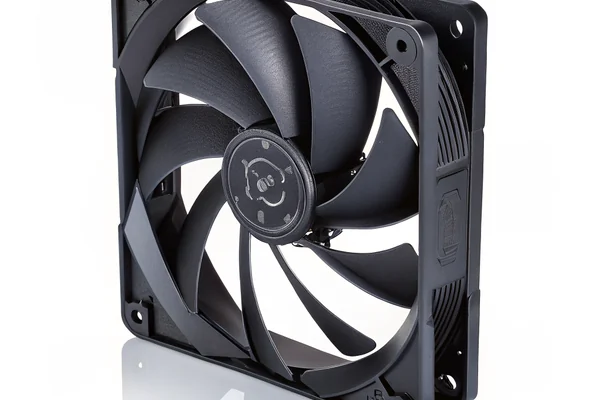
Noctua, be quiet!, Arctic, Corsair: How Do the Major Case Fan Brands Actually Differ?
Every brand claims to make the "best" case fan, but the real differences show up in what each one actually optimizes for -- and that's rarely the same thing across brands. Consumer case fan brands differ mainly in what they prioritize -- Noctua and be quiet! are broadly known for acoustic engineering and build quality […]
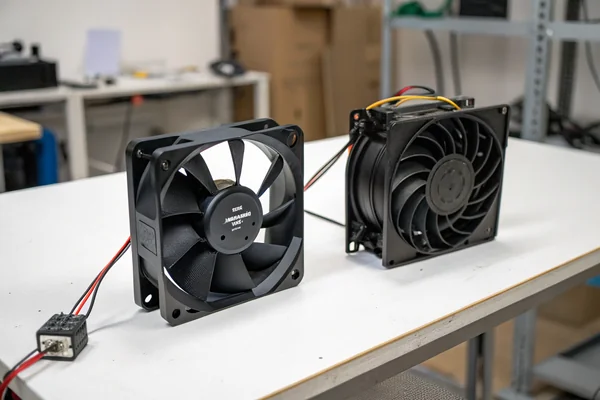
OEM or Off-the-Shelf: Which Fan Sourcing Path Actually Fits Your Project?
Choosing custom too early wastes budget and lead time on a spec you didn't need; choosing standard too late means redesigning around a fan that never quite fit. Standard off-the-shelf fans win on cost, lead time, and low minimum order quantities for designs that fit common form factors, while OEM/custom fans make sense when your […]
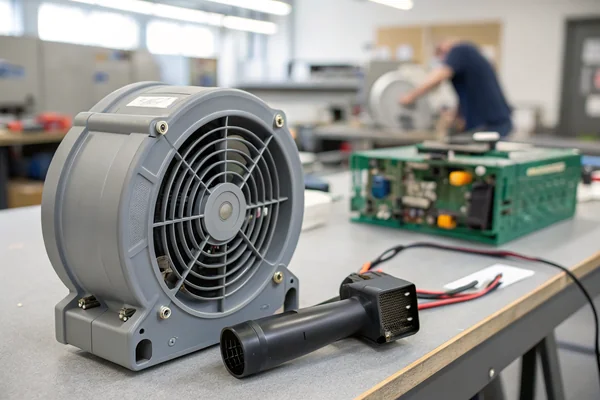
Why Does a Hot Air Rework Station Need a Blower Instead of a Simple Fan?
Rework and SMD stations live or die on airflow that stays exactly where you aim it, at exactly the temperature the process calls for -- and that's a control problem, not a raw-power problem. Hot air rework stations use DC blowers rather than axial fans because the heated air has to pass through a restrictive […]
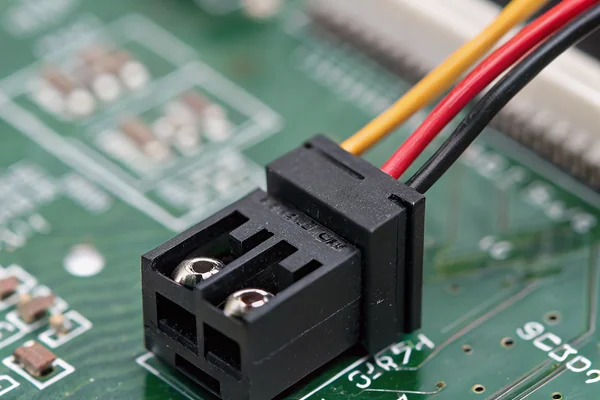
3-Pin, 4-Pin, Molex, or ARGB: Which Fan Connector Actually Fits Your Build?
Plugging a fan into the wrong header doesn't always fail loudly -- sometimes it just runs at full speed forever, or the RGB lighting never syncs, and the cause turns out to be a mismatched connector. PC case fan connectors fall into four common types -- 3-pin voltage control, 4-pin PWM, Molex power-only, and ARGB/RGB […]
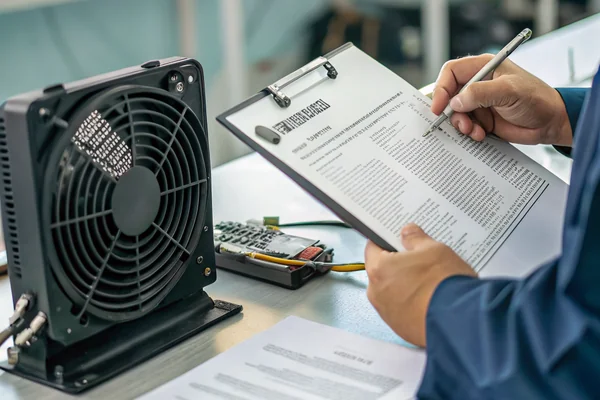
Which Cooling Fan Certifications Actually Matter for Your Target Market?
A fan without the right certification can stall a product launch at customs or fail a customer's incoming audit, regardless of how well it performs on the bench. UL and cUL matter primarily for North America, CE marking is a legal requirement for placing electronics on the EU market, and RoHS/REACH govern the chemical substances […]
Need cooling solutions for your project?
Browse our product range or use our selector tool to find the right fan for your application.