
Technical Resources & Industry Insights
Explore technical guides, application notes, product selection tutorials, and industry news for industrial cooling solutions.
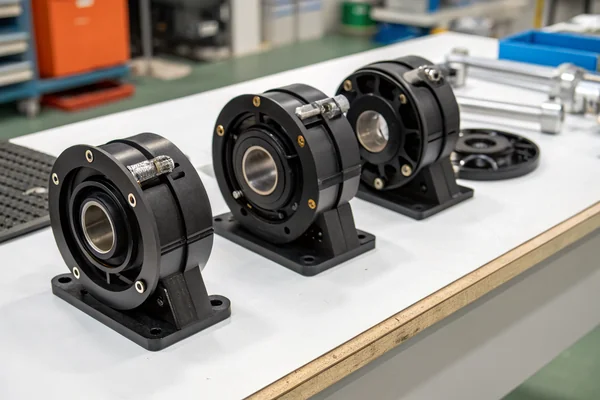
How Long Do PC Case Fans Actually Last — and What Kills Them Early?
Fans fail quietly. One slows down, temperatures creep up, and by the time something shuts off or crashes, the warning signs were there for weeks -- just invisible without knowing what to watch for. PC case fans typically last 30,000 to 50,000 hours under rated conditions, with bearing type being the single biggest variable. But […]
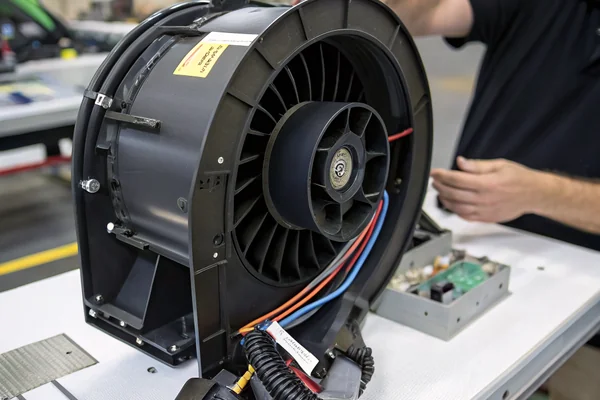
Why Automotive DC Blower Fans Fail Where Standard Fans Don’t
Specifying the wrong fan for an automotive application doesn't just mean a performance miss -- it means premature failures, EMC rejection, and costly recalls. Automotive cooling demands a fundamentally different product. DC blower fans for automotive applications must survive temperature extremes from −40 °C cold starts to sustained 85 °C+ under-hood operation, continuous vibration, and […]
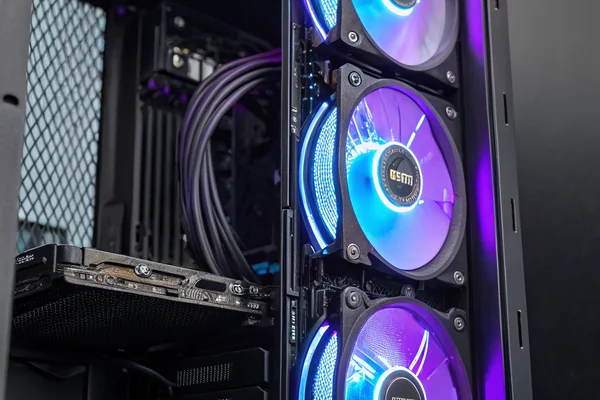
RGB vs. Non-RGB Case Fans: Does the Lighting Actually Change How They Perform?
Choosing between RGB and non-RGB fans feels like a purely cosmetic decision — until it isn't. The wiring, connectors, and controller dependencies that come with RGB add real variables that affect more than just your case's appearance. RGB and non-RGB case fans can deliver identical airflow and static pressure performance from the same underlying fan […]
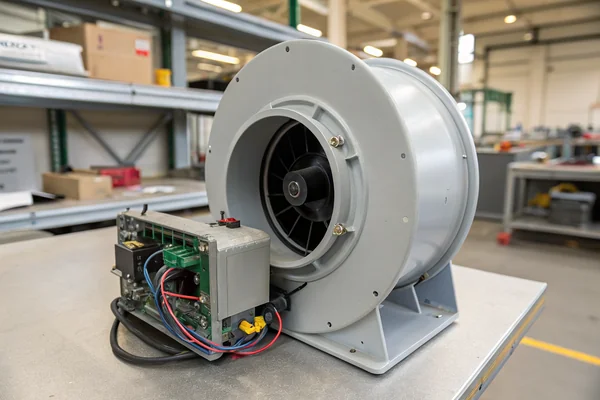
Centrifugal Blower vs. Axial Fan: Which One Actually Fits Your Application?
Specifying the wrong fan type wastes budget, fails thermal targets, and forces a costly redesign. The difference between a centrifugal blower and an axial fan isn't just shape -- it's a fundamentally different airflow mechanism that determines which one solves your problem. A centrifugal blower moves air perpendicular to its intake by accelerating it outward […]
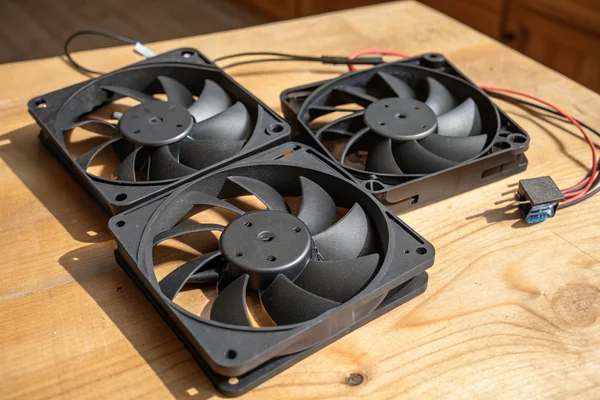
Why Is My PC Fan So Loud? How to Actually Fix It
A loud PC isn't just annoying -- it's a signal that something in the thermal and airflow design isn't working as efficiently as it should. The noise gets worse under load, but the root causes were set long before you hit compile or launch a game. PC fan noise comes from a combination of fan […]
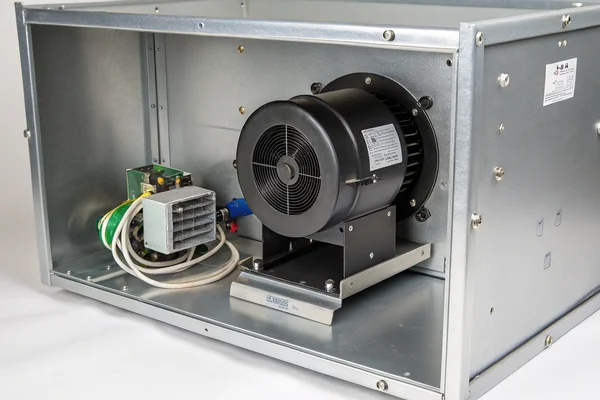
Does Your Electronics Cooling Actually Need a DC Brushless Blower?
Electronics cooling failures don't announce themselves -- they accumulate quietly until a component throttles, corrupts data, or fails outright. A standard axial fan often can't solve the problem. A blower can. A DC brushless blower moves air in a fundamentally different way than an axial fan -- drawing air in axially and exhausting it radially […]
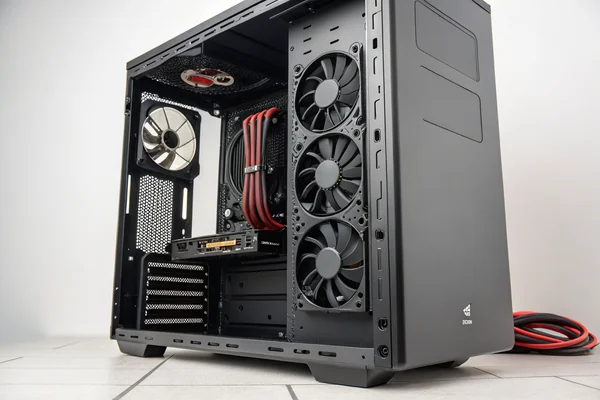
How Many Case Fans Does Your Build Actually Need?
More fans feels like a safe answer -- but the wrong fan count, or the wrong placement, wastes money and can actually hurt thermal performance by disrupting airflow paths rather than reinforcing them. The right number of case fans depends on your build's heat load, case geometry, and whether you're running air or liquid cooling […]
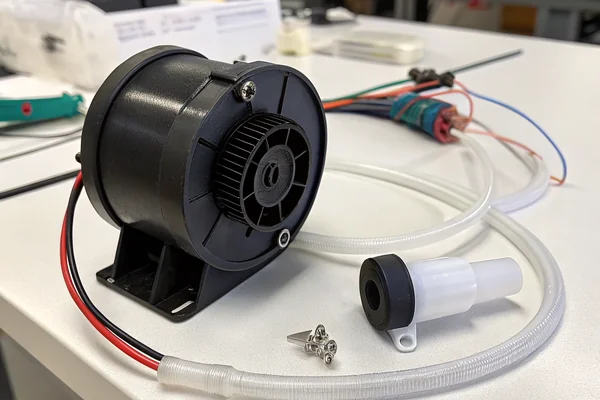
Why Do CPAP and Medical Devices Demand a Blower Fan, Not a Standard Axial Fan?
Most cooling fans move air just fine -- until precise pressure, whisper-quiet noise, and 50,000-hour lifetimes all become mandatory at once. For CPAP machines and bedside medical devices, those requirements aren't optional. DC blower fans are the standard choice for CPAP and medical devices because they generate the controlled static pressure needed for therapeutic air […]
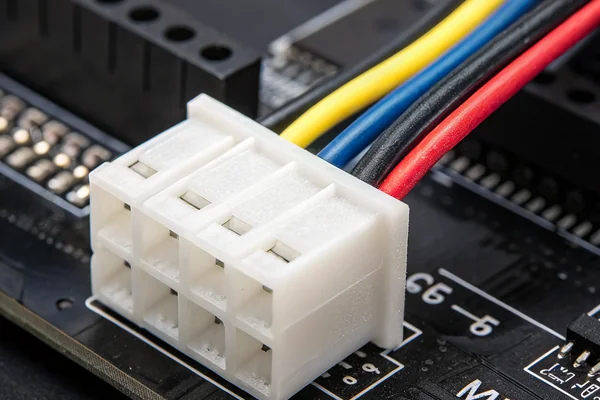
PWM vs. DC Voltage: Which Fan Speed Control Method Actually Fits Your Build?
Picking the wrong control method doesn't just limit how fast a fan spins -- it can leave you unable to run it quietly at all, or watching it stall out at low speeds entirely. PWM fan control uses a fixed supply voltage with a variable duty-cycle signal to modulate motor speed precisely across a wide […]
Need cooling solutions for your project?
Browse our product range or use our selector tool to find the right fan for your application.